
Best SEO techniques to index your website on Google
Summary (TL;DR)
Throughout this article, we explore the crucial facets of SEO by unveiling key strategies and techniques to ensure that your site not only achieves a prominent position on Google, but also maintains that position over time.
From the meticulous search for keywords, through optimisation On-Page and Off-Page, to the creation of quality content and implementation of solid technical SEO practices, each aspect discussed plays a vital role in building a robust and effective online presence.
We highlight the importance of a responsive site, loading speed, the strategic use of SEO tools such as Google Analytics and Google Search Console, and the need for constant monitoring and updating to adapt to changes in Google algorithms.

For Google to index and rank your site, combine seven SEO fronts: keyword search, on-page optimisation, technical SEO (speed, mobile version, robots.txt and canonical), links from other sites, useful content, SEO tools and follow-up on Google Search Console. Next, we explain the SEO techniques that we applied to WebSyd.
Here at WebSyd, we firmly believe that Search Engine Optimization (SEO) is the master key to unlocking this visibility.
So today we want to share with you the best SEO practices that we have applied over the years and that help index your website.
Did you know that SEO can make a difference about how long it takes for a site to be indexed Google? A good SEO can speed up this process, but if misapplied, it may delay or even penalize your site.
Let's dive into the strategies that transform websites easier to find on Google.
Keyword Search
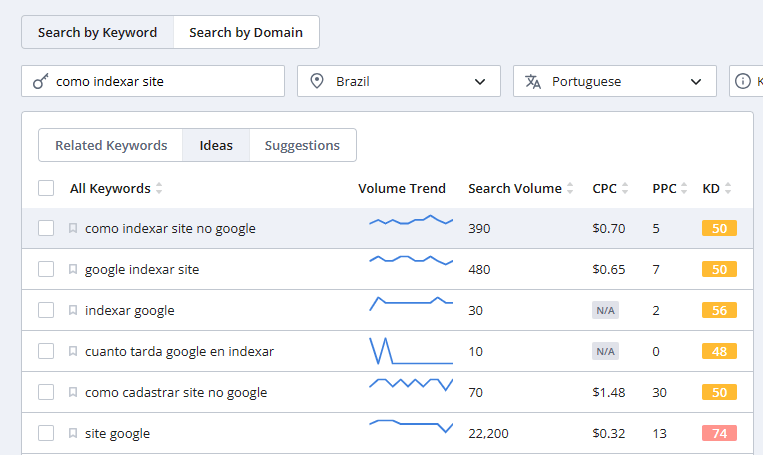
We understand deeply that the heart of a SEO strategy effective lies in the right choice of keywords.
They guide not only the content we produce but also how this content is discovered by users in the vast world of the Internet.
When well selected, keywords work as bridges that connect your site to potential customers who are looking for exactly what you have to offer.
To begin with, we recommend the use of keyword search tools such as Google Keyword Planner, SEMrush, Seo Base and Ahrefs.
These tools not only help identify terms and phrases relevant to your business but also provide valuable insights into search volume, competition, and keyword trends.
With this data in hand, you can make informed decisions about which keywords are most valuable for your SEO goal.
However, choosing effective keywords goes beyond simply opting for those with the highest search volume. It is crucial to consider the intention behind users' searches.
Ask yourself, “What does my target audience really want to know or find when you type these words in Google?” Prioritise keywords that align not only with the content of your website but also with the needs and interests of your audience.
Here are some quick tips for choosing effective keywords:
- Focus on relevance: Select keywords that truly reflect the content and offer of your website.
- Consider the competition: Key words with high competition can be harder to rank. Seek a balance between search volume and competitiveness.
- Do not ignore the long-tail keywords: These are more specific and less competitive, and often convert better because they reflect more precise search intentions.
- Use keywords search tools: They are essential to provide accurate data that will help guide your choices.
We know that each chosen word is one step further towards online success in your business, and the process of choice needs to be done intelligently.
On-page optimisation
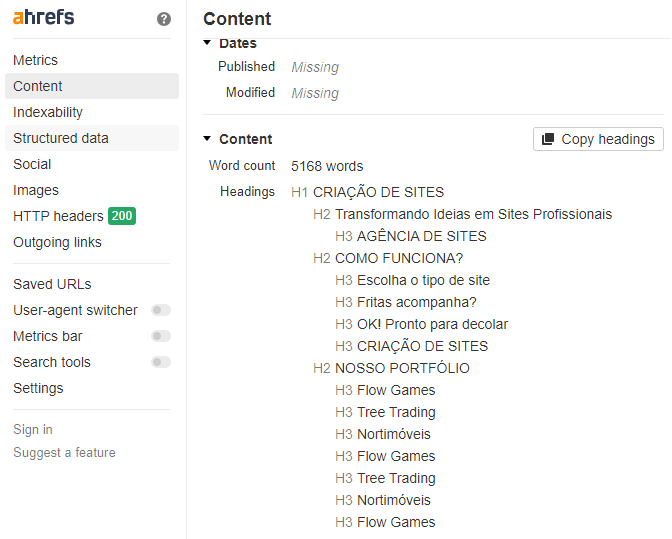
On-Page optimisation is a key pillar in the SEO strategy that we implement here at WebSyd.
This process involves improving various elements within your site to ensure that it is not only found by Google but also offers exceptional experience to users.
After all, the goal is to make your site as friendly for search engines as it is for those who visit you.
What is on-page optimisation?
Simply put, the On-Page optimisation refers to all measures that we can take directly within the site to improve your position on search engines.
This includes adjustments to the content, in site structure, in HTML tags, among other elements.
It's a way to tell Google exactly what every page of your site is about and how it can be useful for users.
Techniques for titer optimisation, metatags and alt image attributes
- Titles: Each page of your website should have a unique and descriptive title, including the keyword Main one you're trying to rank for. The title should be attractive and informative, as it is one of the first things users see in search results.
- Metatags: Halfscriptions, although not directly influencing ranking, are essential to increase the click rate (CTR) in search results. A good halvescription should clearly and concisely summarize the content of the page, including the target keyword and encouraging the user to click.
- Image alt attributes: Alt attributes are alternative texts for images, which help search engines understand the content of images. In addition to being a good accessibility practice, inserting relevant keywords into the alt attributes can improve your site's visibility in image searches.
The importance of quality content and how to structure it for SEO
At WebSyd we always repeat: content is the basis. Quality content, relevant and valuable to your target audience, is the backbone of any successful SEO strategy.
But it is not enough just to create content; it must be structured so that search engines can understand and value it.
- Use headers correctly: Structure your content using headers (H1, H2, H3, etc.) to organize and highlight important sections. This not only improves reading for your visitors but also helps search engines understand the hierarchy and relevance of content.
- Short paragraphs and accessible language: Keep the paragraphs short and use a clear language. This facilitates reading and helps keep the user engaged.
- Include keywords in a natural way: Use the keywords in a natural and relevant way throughout the text, without exaggerating. The excess of keywords, or keyword stuffing, can harm your ranking.
- Internal links: Use internal links to connect different pages from your website, helping to distribute the value of PageRank across the site and keep users engaged for longer.
A careful approach to On-Page optimisation is crucial to achieving and maintaining first positions on Google.
This is why we devote time and expertise to ensuring that every aspect of your site is aligned with the SEO best practices, from the structure of the site to the last alt attribute of the image.
Quick solution for site indexing: SCP Turbo
Well, if you've come this far and you're in need of a quick solution that involves less work to index your pages, we have a simple and fast solution for you to apply right now.
This is the paid tool. SCP Turbo, which sends the pages for tracking with few clicks. It can expedite discovery, but no tool guarantees indexing: Google decides.
After registration, just insert the site. Before, check if there is no technical block (robots.txt, noindex or redirect), because in these cases no tool solves.
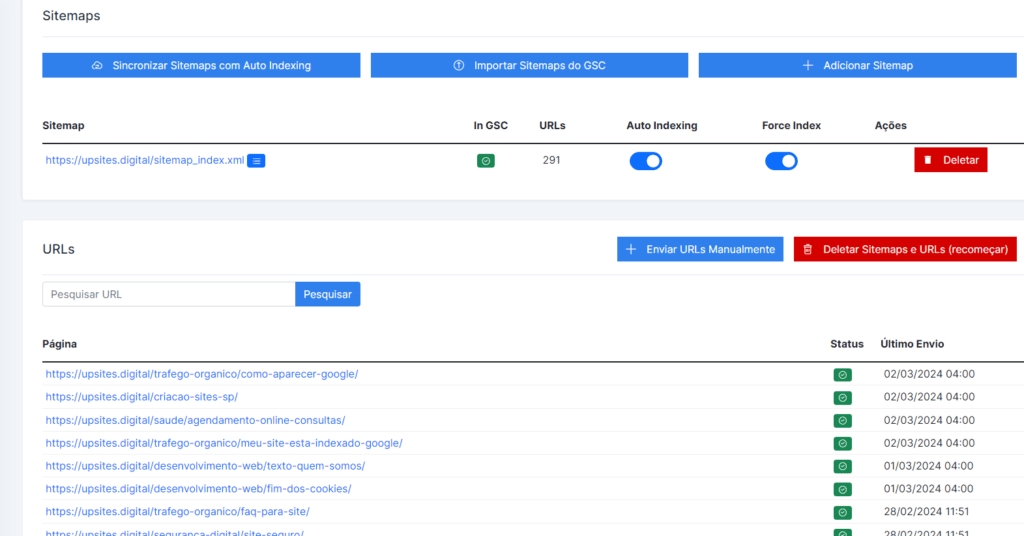
Did you find it interesting? Click the button below and use the tool right now!
Technical SEO
Technical SEO is another essential aspect of site optimisation that often gets in the background.
This is the basis that allows search engines such as Google to track and index your site effectively, ensuring that it can be found by users.
Without a solid technical foundation, even the most incredible content and the best-thought keyword strategies may not achieve their full potential.
Meaning and relevance of technical SEO
Technical SEO encompasses a variety of practices aimed at improving your site's infrastructure.
This includes optimizations that help search engines better understand the content of your site and how it is structured, as well as ensuring a positive experience for users.
When well executed, technical SEO can significantly increase the chances that your site will be well ranked in search results.
Tips for improving site loading speed
Site speed is a crucial factor for both SEO and user experience.
Sites that load quickly have higher conversion rates and are more favored by search algorithms.
Here are some measures we take at WebSyd to ensure that your websites load quickly:
- Image Optimization: Make sure that all images are in the right size and compressed to the web.
- Cache Use: Implement cache solutions to reduce page loading time.
- CSS, JavaScript and HTML mining: Remove unnecessary spaces, comments and line breaks from the source to decrease file size.
- Choice of a Good Hosting Service: The quality of your hosting provider can have a major impact on site speed.
Importance of a mobile responsive website
With the growing use of smartphones and tablets to access the internet, have a responsive site that fits perfectly to any screen size is indispensable. Responsive sites not only offer a better user experience but are also favored by Google, especially since the implementation of the index mobile-first.
How to use robot.txt file and canon tag properly
- File robots.txt: This file is used to tell search engines which parts of your site they may or may not track. It is necessary to ensure that the robot.txt file is configured correctly to avoid indexing duplicate or irrelevant pages.
- Canonical tag: The canon tag is used to indicate the preferred version of a similar or duplicate page. This helps prevent duplicate content problems by directing search engines to the page you consider most important.
Through a detailed and technical approach, we ensure that your site is not only perfectly optimised for search engines but also offers exceptional experience to its users.
Our goal is to build a solid foundation on which all other SEO strategies can successfully rely.
Off-Page optimisation
Off-Page optimisation is also a vital component of a comprehensive SEO strategy.
While On-Page optimisation focuses on improving elements within your site, Off-Page optimisation concerns actions taken outside your website to improve your search engine position.
This aspect of SEO is fundamental because it helps build the authority of your website, increasing its visibility and credibility on the web.
Linkbuilding Strategies (Link Building)
Link building is one of the most effective Off-Page optimisation strategies.
Links from external sites act as “votes” in favor of the quality and relevance of your content. However, not all links are created equal.
We always focus on getting high-quality links from respectable and relevant websites to our customer's niche. Here are some strategies we use:
- Quality content: Creating valuable and shareable content is the basis for naturally gaining links.
- Guest posting: Writing articles as a guest on relevant blogs exposes the brand to a new audience. If there is payment or exchange, the link needs rel=”sponsored”, according to Google spam policies.
- Broken link building: Identify sitelinks broken on other sites and offer their content as an alternative to replace them.
- Partnerships and relationships: Building relationships with other companies and influencers in your industry can lead to natural link building opportunities.
The importance of social networks and how they can help in SEO
Although social networking links do not directly contribute to ranking your site in the same way as traditional backlinks, they play a crucial role in optimizing Off-Page. Active presence on social networks can:
- Increase visibility of your content: Sharing your content on social networks increases your reach, which may lead to more natural links from other sites.
- Improve engagement: Interaction on social networks can increase engagement with your content, signaling search engines that it is valuable to users.
- Help in the construction of the brand: A strong presence on social networks helps build recognition and trust in the brand, important elements for the authority of the site.
At WebSyd, we integrate Off-Page optimisation strategies into our SEO plans to ensure that our customers' websites not only reach, but also maintain a prominent position in search results.
We understand that the construction of online authority goes beyond its own website, involving a holistic approach that includes the construction of quality links and an active and strategic presence on social networks.
Quality and relevant content
Creating content that is both relevant and useful to your target audience is crucial not only to attract visitors to your website, but also to keep them engaged and convert them into loyal customers.
The relevance and quality of content are key factors for online success, directly impacting both SEO and user engagement.
The importance of creating relevant and useful content
The relevant and useful content meets the needs and questions of your target audience, providing real value.
When users find the answers they look for on your site, this not only satisfies your immediate queries, but also establishes your brand as a reliable authority in your niche.
This creates trust and credibility, crucial elements to build a lasting relationship with your audience.
How quality content affects SEO and user engagement
From the SEO point of view, high-quality content is one of the main factors that search engines, such as Google, use to determine a site's ranking.
Well-written, informative and up-to-date content is more likely to receive backlinks from other sites, an important sign of authority for Google.
Enveloping content keeps the visitor on the site longer and increases the chances of conversion.
Tips for creating an effective editorial calendar
- Meet your target audience: First of all, it is essential to understand who your target audience is, what they are looking for, and what problems they need to solve. This information will guide the creation of relevant content that resonates with your readers.
- Search keywords: Use keyword search to find topics your target audience is looking for. This will not only help direct traffic to your website, but will also ensure that the content is highly relevant.
- Plan ahead: An editorial calendar helps organize content production in a strategic way, ensuring consistent publication. Plan topics, publication dates and those responsible for creating the content in advance.
- Divert content formats: Varie the formats of your content between blog posts, videos, infographics and podcasts to suit your audience's different consumer preferences.
- Analyze and adjust: Use analytics tools to monitor the performance of your content. See what works well and adjust your strategy as needed.
We are dedicated to creating content that not only captures the attention of your target audience, but also keeps them engaged and motivated to act. That's part of our secret to success.
We understand that quality content is the backbone of any successful digital marketing strategy, and that's why we put so much emphasis on creating an effective editorial calendar that guides our content production.
Our goal is to ensure that each piece of content not only meets SEO expectations, but also provides real value to your readers by establishing your brand as a leader in your industry.
Use of SEO tools
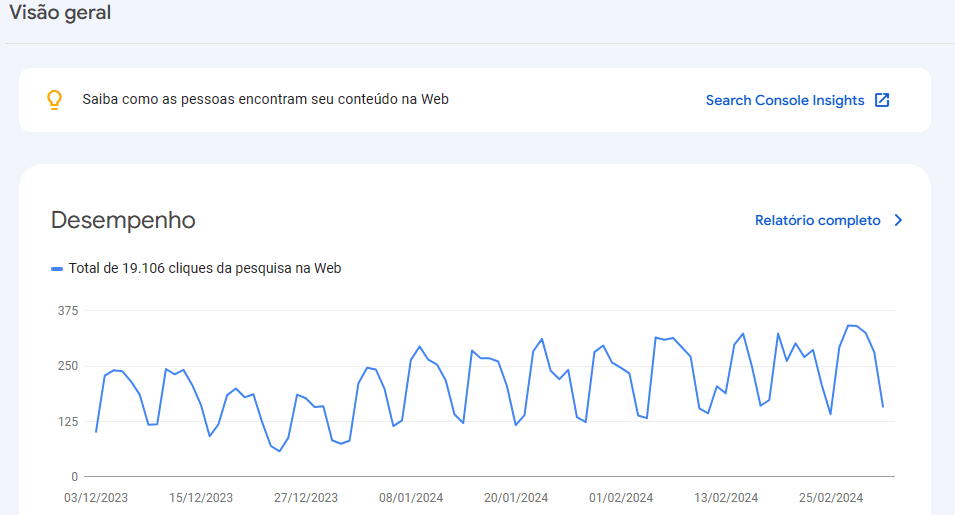
Using the right SEO tools to continuously analyze and optimise your site is another strategy that makes a difference.
These tools are crucial to understanding how your website is performing, identifying areas that need improvements and monitoring the effectiveness of the strategies implemented.
I will highlight some of the essential SEO tools and explain how you can use the Google Analytics and Google Search Console to monitor the performance of your website.
Essential SEO Tools
- Google Analytics: This is an indispensable tool for any SEO professional. It offers detailed insights into the traffic of your website, including information about visitors, how they found your site and how they interact with content. Using Google Analytics helps you understand user behavior, allowing you to optimise the site to improve user experience and increase conversions.
- Google Search Console: Another vital tool, Google Search Console lets you see how Google views your website. It provides data on the search performance of your site, including impressions, clicks and average position in search results. In addition, it alerts you about any indexing or usability issues on mobile devices, helping to maintain your optimised site to the search engines.
- SEMrush: SEMrush is an all-in-one tool that offers a wide range of features for keyword search, competition analysis, SEO audit and more. It is extremely useful to plan content strategies and site optimisation.
- Ahrefs: Similar to SEMrush, Ahrefs is a powerful tool for backlink analysis, keyword search and competitive analytics. Its extensive database is excellent to understand the backlink profile of your site and identify links building opportunities.
Monitoring the performance of your website with google analytics and Google Search Console
- Using Google Analytics: To monitor the performance of your website, set key events (the old goals) in Google Analytics 4 to track specific conversions such as newsletter entries, e-book downloads or purchases. Analyze the acquisition reports to understand where your traffic is coming from and which channels are generating more engagement and conversions. The behavior report provides insights into the most visited pages and average time on the page, helping to identify which content is performing better.
- Using Google Search Console: Regularly check the performance report to analyze the keywords that are bringing traffic to your site. Follow the indexing reports of pages and Core Web Vitals and correct the problems pointed out. Use the URL inspection tool to check how Google sees specific pages of your website, ensuring that they are being indexed and tracked correctly.
At WebSyd, we use these tools to ensure that we are always one step ahead, optimizing our websites effectively and keeping them aligned with best SEO practices.
We believe that continuous analysis and strategic data-based adjustments are key to the success of any SEO strategy.
Conclusion
Today we explore a number of key SEO techniques that are crucial to ensuring that your site is not only indexed by Google, but also well ranked.
We understand the importance of a comprehensive SEO strategy, which includes from keyword search to technical optimisation of the site, through the creation of relevant and useful content, to Off-Page optimisation strategies and the effective use of SEO tools.
We recognize that optimisation for search engines is a complex and constantly evolving field, which requires deep understanding and careful implementation of best practices.
We at WebSyd encourage you to implement these techniques and to devote yourself to the continuous improvement of your SEO strategy.
Remember that SEO is not a quick solution, but a continuous process that requires time, dedication and consistency.
Keeping up-to-date with the latest trends and changes in Google algorithms is equally important. If one site does not appear on Google, the answer may be in these algorithm changes.
FREQUENTLY ASKED QUESTIONS
What is SEO and why is it important for the online visibility of my site?
SEO, or Search Engine Optimization, is the set of practices aimed at improving the visibility and ranking of a site in Google search results and other search engines. It is important because it helps to increase the visibility of your website, attracting more visitors and potential customers, which can lead to the growth of your online business.
How can keyword search influence the indexing of my website on Google?
Keyword search is fundamental to identify the terms and phrases your target audience is looking for. Choosing relevant keywords with good search intent helps direct the content of your site, increasing your chances of appearing in search results. Tools like Google Keyword Planner, SEMrush and Ahrefs can provide valuable insights into search volume and keyword competitiveness.
What are the best on-page optimisation practices to improve my site's SEO?
The best on-page optimisation practices include:
- Use of descriptive titles and metatags that include keywords.
- Creating high-quality and relevant content for the target audience.
- Correct use of headers (H1, H2, H3) to structure the content.
- Optimization of image alt attributes for accessibility and SEO.
- Implementation of internal links to improve navigation and retention of visitors.
What is technical SEO and how does it impact the performance of my site on search engines?
Technical SEO involves optimizing your site's infrastructure to facilitate tracking and indexing by search engines. Includes practices such as:
- Improving site loading speed through image optimisation, cache usage and file mining.
- Correct configuration of the robot.txt file to control what search engines can track.
- Use canon tags to avoid duplicate content problems. A well-made technical SEO ensures that your site is accessible and understandable for search engines, improving your chances of a good ranking.

Caio Nogueira is a SEO, GEO, link building and Digital PR expert and co-founder of WebSyd, website creation agency and SEO consulting founded in 2016. It acts with organic search strategies, digital authority construction and brand optimisation for search engines and artificial intelligence platforms. Throughout his trajectory, he participated in more than 1000 projects involving SEO, website development, content marketing and authority acquisition through backlinks and Digital PR. At WebSyd, it participates in the planning of strategies to increase organic visibility, lead generation and presence of companies on Google and AI-based search engines. As an author, it publishes content on SEO, GEO, website creation, link building and digital authority, sharing analyses, strategies and practical experiences related to organic growth of companies. Its contents and contributions have also been published in companies and vehicles of technology and marketing such as Wix, HostGator, Duda, Neil Patel, Locaweb and E-Commerce Brasil.
View all posts


 Estimate the cost

