
SEO for banks: how to do it in 2026
Summary (TL;DR)
In this post, we will explore the main SEO strategies for banks in 2026, highlighting how these practices can attract customers, strengthen digital presence and generate competitive advantage.
We will address topics such as adaptation to changes in search engine algorithms, the impact of technologies such as artificial generative intelligence and voice research, as well as trends such as hyper customisation and metaverse.
We will also explain how to implement technical SEO, optimise content for local searches and mobile devices, and use key KPIs to measure results and adjust strategies. With this information, your financial institution will be prepared to stand out in an increasingly challenging and competitive digital environment.

Quick answer: SEO for banks requires the same basics from any site, with higher standard of trust: content written or reviewed by experts (Google treats finance as “Your Money or Your Life” theme), clear product pages with visible rates and conditions, security and privacy, local SEO for agencies and educational content on credit, investments and scams.
In recent years, digital marketing has become essential to the success of any business, and the banking sector is no exception.
In 2026, SEO (Search Engine Optimization) will remain one of the most powerful strategies to attract customers, improve online experience and strengthen the digital presence of financial institutions.
With consumers increasingly connected, demanding and informed, standing out in the search engine results pages is a challenge that requires innovation and precision.
After all, search behavior constantly evolves. New technologies, such as artificial-generative intelligence, voice research and hyper personalization, have transformed the way people interact with online content.
For banks, this means that the traditional SEO approach is no longer enough; it is necessary to go further by adapting to these trends to offer relevant, safe and reliable content.
From now on we will explore best practices and SEO strategies for banks in 2026, helping your institution to remain competitive, reach potential customers and consolidate an image of authority in the market.
Are you ready for this journey?
The SEO scenario in 2026
The SEO scenario in 2026 is marked by constant changes in search engine algorithms and the integration of new technologies that transform the way people access information.
To stand out, it is necessary for banks to understand these changes and adapt their strategies proactively. Here are the main aspects that define the current panorama:
1. Changes in Google algorithm
Google algorithms continue to prioritize user experience, reinforcing the principles of E-E-A-T (Expertise, Expertise, Authority and Trust).
Generating artificial intelligence is influencing search results, providing more contextual and detailed answers directly in the SERPs (Search Engine Results Pages).
To see if your bank already appears in these answers, use the Free diagnosis of GEO.
This shows the need for, for example, a open banking provider invest in richer and more interactive content to ensure visibility.
2. New Search Trends
The voice search and visual research have been consolidated as key tools for consumers.
With virtual assistants like Alexa and Google Assistant playing a bigger role, financial institutions should focus on conversational keywords and on optimisation of its contents for frequent and direct questions.
3. Competition in the banking sector
The financial market is highly competitive in the digital environment. Terms related to products such as “best digital account”, “sustainable investments” or “online loans” are disputed by numerous institutions.
To gain space, banks need to combine technical SEO strategies, high-quality content production and continuous competition analysis.
Why is SEO vital to banks in 2026?
The banking sector is at the centre of digital transformation, where the search for convenience, security and personalization is a priority for consumers.
In 2026, SEO plays an important role in this scenario, offering a strategic advantage to banks that seek to attract and retain customers in the online environment.
Here are the main reasons why SEO is indispensable for financial institutions:
1. Changes in consumer behaviour
With more people using digital channels to conduct banking transactions and seek financial information, search engines have become the main gateway for new customers.
From the search for “best credit card” to “how to invest in cryptocurrency”, consumers expect quick, reliable and affordable answers.
2. Relevance in a competitive market
SEO allows banks to stand out in a highly saturated sector. By occupying the first positions in search results for strategic keywords, financial institutions increase their visibility and gain users' confidence.
Being well positioned conveys a perception of authority, essential for financial services.
3. Impact on conversion funnel
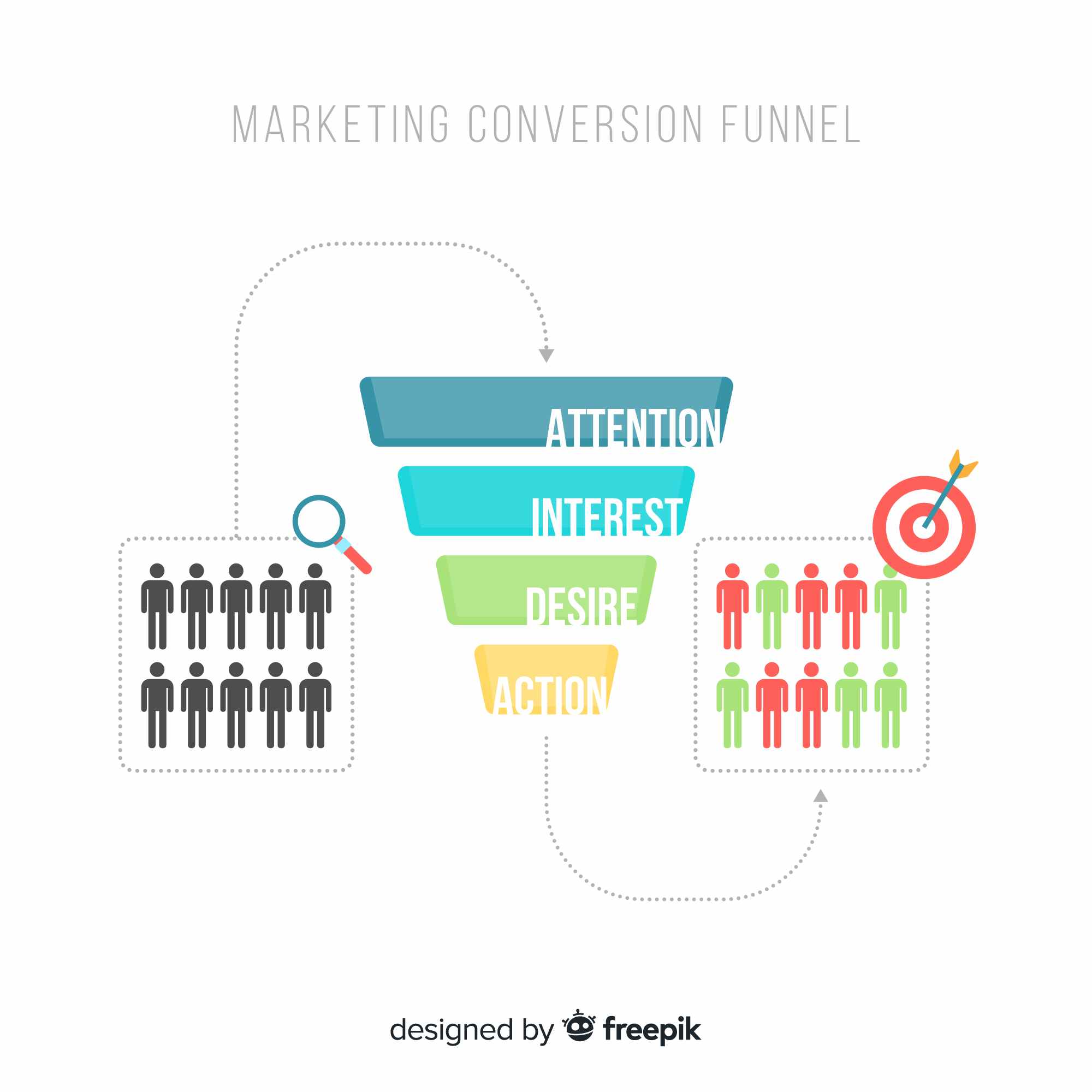
From the initial discovery to final conversion, SEO is an ally in every step of the customer journey. For example:
- A potential customer can find an educational article on financial planning (funnel top).
- Later, he can access a product page on personal loans (middle funnel).
- Finally, it performs an action such as opening an account or requesting a loan (funnel fund).
4. Reduction of costs for customer acquisition
Unlike paid ads, SEO offers a more consistent return on investment in the long run. With a well optimised website, banks can generate traffic organic qualified without relying exclusively on expensive advertising campaigns.
5. Strengthening trust and security
SEO optimisation goes beyond content; it also includes technical practices such as ensuring fast, secure (HTTPS) and transparent websites in relation to users' privacy. This is particularly important in the banking sector, where trust is one of the pillars of customer relationship.
SEO key strategies for banks in 2026
To stand out in a competitive and dynamic market, banks need to adopt comprehensive and innovative SEO strategies. In 2026, the focus should be on combining traditional practices and technological advances to meet the new demands of the digital consumer. The following are the most effective strategies:
Advanced keyword search
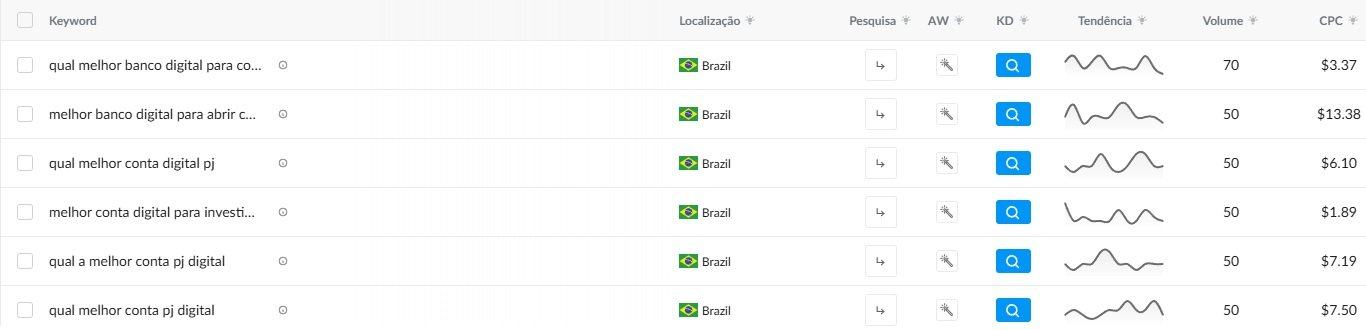
- Focus on long tail keywords: In such a specific sector, terms such as “best digital student account” or “fixed-rate loans for retirees” attract a segmented and highly qualified audience.
- Predictive tools: Use AI-based platforms to identify future trends in search in the financial sector, such as increased interest in terms related to cryptocurrency, ESG or alternative investments.
- Analysis of regional search behavior: Optimizing keywords for local and regional contexts, essential for banks operating in different areas.
Relevant and authority content
- Financial education as a priority: Creation of practical guides, investment simulators and detailed explanations of financial products. Example: “Full guide to declare taxes in 2026.”
- Diversification of formats: Bet on explanatory videos, infographics, podcasts and interactive content (such as funding calculators).
- Alignment with E-E-A-T: Ensure that all content is prepared by experts and reviewed to provide accurate and reliable information.
Technical SEO for banks
- Site speed and performance: Prioritise Core Web Vitals (Largest Contentful Paint, Interaction to Next Paint and Cumulative Layout Shift; INP replaced First Input Delay in March 2024) to provide quick and uninterrupted navigation.
- Advanced schemes: Implement structured markings to highlight information such as interest rates, product comparisons and evaluations in the snippets of search results.
- Digital security: Ensure that the site creation safety procedures (HTTPS) are invested, with robust data protection and clear practices of compliance with financial regulations.
SEO site and SEO for mobile devices
- Optimized local search: Create specific pages for banking agencies, with up-to-date information about available times, addresses and services.
- Apps and PWA: Provide fluid experiences for mobile users, with optimised and progressive banking applications.
- Optimization for voice search: Structure content to answer direct questions, such as “Where is the closest agency to me?” or “Which is the best digital bank in 2026?”
Link building strategies for the financial sector
- Strategic partnerships: Collaborate with blogs specialised in finance, news portals and digital industry influencers to get high quality backlinks.
- Linkable content production: Create valuable materials, such as unique research and case studies, that encourage other websites to refer them.
- Monitoring and cleaning of toxic links: Protect site reputation by identifying and removing low-quality backlinks.
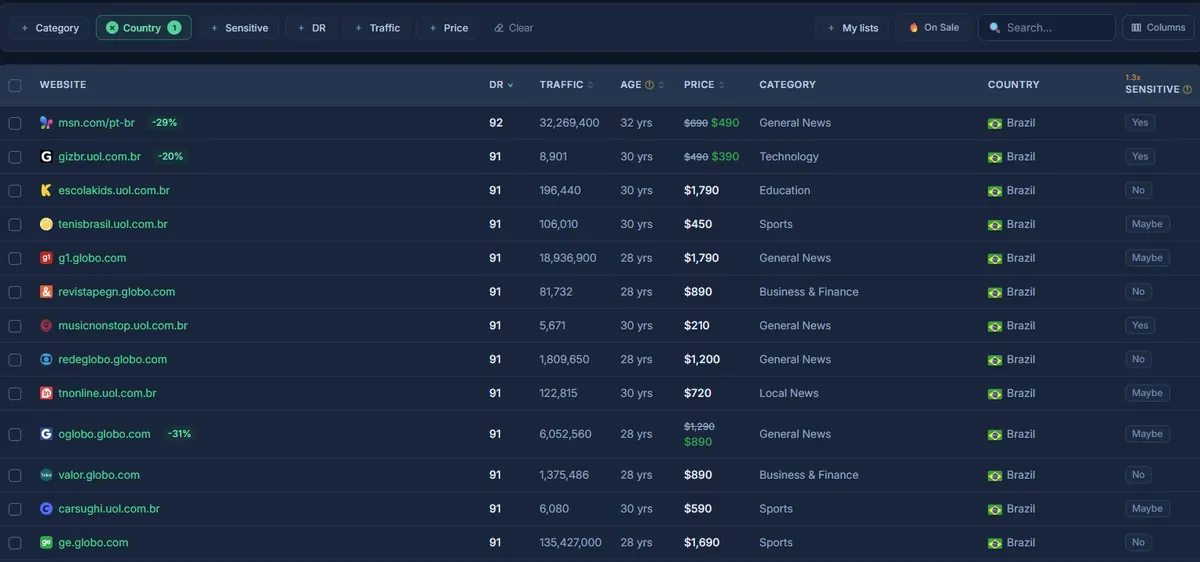
To structure this prospect, the BlaaS allows you to search publishers by category, country, DR, traffic and price, helping build an initial list of blogs, portals and vehicles compatible with the financial sector. Because it's a theme YMYL, each vehicle must undergo editorial curation and reputation check before any publication.
Measuring Results: Core KPIs
Implementation SEO strategies It's just the beginning; understanding if they're working is what really makes a difference.
For banks in 2026, measuring results means tracking key indicators that show the impact of SEO on customer attraction, engagement and, of course, conversion.
Let's explore the main KPIs that help translate data into strategic decisions.
Organic Traffic
The organic traffic remains one of the pillars to evaluate SEO success. It represents the number of visitors arriving to the site through unpaid searches.
A constant increase in this number indicates that Keyword strategies and contents are working.
For this, tools such as Google Analytics help monitor the origin of visitors and which pages are generating more access.
Conversion
But attracting visitors isn't enough, is it? That's where the conversion rate. . For banks, this may mean opening an account, requesting a card or even downloading the banking app.
The idea is to ensure that people not only visit, but also perform valuable actions for the business. Here, the challenge is to optimise each stage of customer journey, from the first interaction to the moment of decision.
Ranking
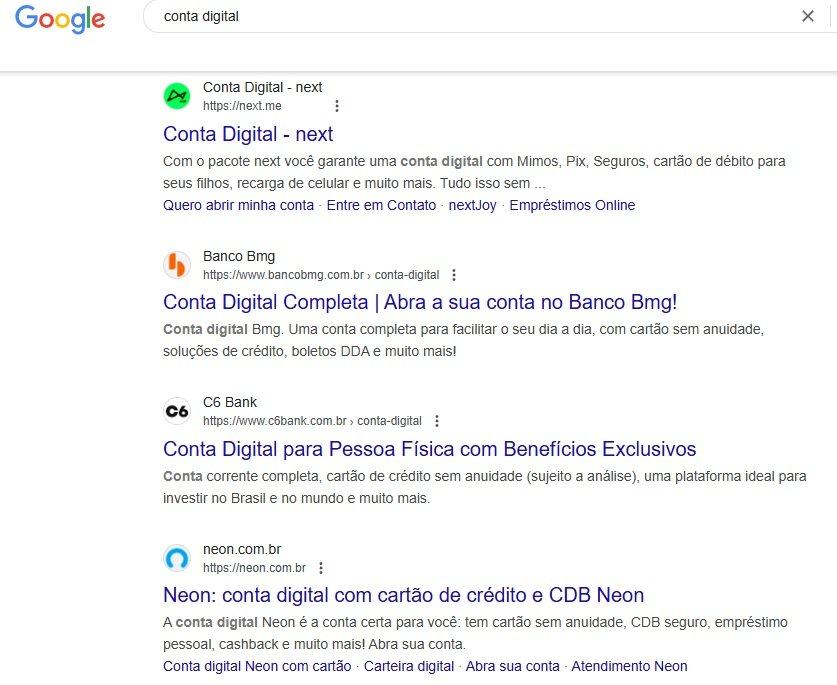
Another very important indicator is the ranking of strategic keywords.
Being among the first results for terms such as “low-rate loans” or “best digital business account” is not only a question of visibility, but also credibility.
By regularly tracking the site's position in tools such as SEMrush or Ahrefs, you can adjust strategies to maintain or improve results.
Metrics
And we cannot ignore the engagement metrics, which show how visitors interact with the site. How long do they stay? How many pages do you access per session?
If people are leaving the site quickly, it may be a sign that content or browsing experience needs adjustments.
These metrics help to understand whether the audience is actually finding what it seeks and is motivated to explore more.
Each of these KPIs tells a part of the story, and together, they offer a complete view of the impact of SEO. With this information, banks can refine their strategies and ensure that they are moving in the right direction.
The Future of SEO in the banking sector
SEO in the banking sector is constantly evolving, and trends for the future promise to transform how financial institutions interact with their customers in the digital environment. Here are the key points that will shape the future of SEO for banks:
Generative Artificial Intelligence
- Impact on SERPs: Tools like Google Bard and ChatGPT are redefining search results, prioritizing direct and contextual responses.
- Opportunity The banks need create rich and reliable content to appear as a preferred source in these answers, investing in educational articles and interactive guides.
Voice and Visual Survey Growth
- Voice search: With the popularity of virtual assistants such as Alexa and Google Assistant, optimizing content for direct and conversational questions will be crucial.
- Visual search: Tools that allow you to use images for queries are gaining space. Banks can optimise digital images, graphics and brochures to meet these new search ways.
Metaverse and Digital Realities
- Presence in virtual environments: As the metaverse grows, banks can create interactive spaces, such as virtual agencies, to meet the demands of a more digital audience.
- Metaverse SEO: Ensuring that these virtual experiences are easily found in conventional searches and within digital platforms will be a competitive differential.
Personalization and Hypersegmentation
- Custom results: Algorithms are increasingly focused on offering responses tailored to the user's profile.
- Strategy for banks: Create Content targeted to different audiences, such as young students, investors or entrepreneurs, will help meet specific needs.
Advanced Technologies and Technical SEO
- Core Web Vitals: User experience will continue to be a priority, focusing on speed, interactivity and page stability.
- Progressive Web Apps (PWAs): Banks can invest in PWAs to offer fast and fluid experiences, both on desktop and mobile devices.
Continuous Adaptation to Algorithm Changes
- Dynamic algorithms: Updates of search engines require constant monitoring and quick adjustments in SEO strategies.
- Best practice: Pay attention to new developments, such as changes in E-E-A-T (Experience, Expertise, Authority and Trust), and invest in reliable and well structured content.
These points show how challenging the future of SEO in the banking sector is, but also full of opportunities. Banks that adapt to these trends will be prepared to lead the digital scene.
Conclusion: SEO for Banks
In 2026, SEO for banks ceased to be an option and became a strategic need to attract, engage and convert customers into an increasingly competitive digital environment.
Digital transformation is redefining the way financial institutions relate to their audiences, and SEO is a powerful tool for consolidating authority, gaining visibility, and providing quality experiences.
Throughout this article, we explore from the current SEO scenario to the practical strategies and future trends that will shape the banking sector.
Factors such as advanced keyword research, authoritative content, technical, local and visual SEO, in addition to adapting to new technologies such as generative and metaverse AI, are indispensable for those who want to remain relevant.
However, success in SEO goes beyond the implementation of tactics; it requires constant monitoring, analysis of results through key KPIs and ability to adapt to rapid market changes and search algorithms.
To ensure the success of your bank, you can count on a SEO consulting complete here at WebSyd. Our professionals analyze, show and execute effective strategies for your business to overcome competitors and always be in evidence.
The future of SEO in the banking sector is challenging, but full of opportunities for institutions to bet on innovation and customer focus.
Now is the time to apply recommended practices and position yourself as a digital reference, ensuring that your institution not only follows changes but also leads the market.
Also read on our blog about Audio Text Conversion.
How about taking the first step and putting these strategies into practice?
FREQUENTLY ASKED QUESTIONS
What are the main SEO strategies for banks
The most effective SEO strategies for banks include: optimisation for mobile devices, local and voice search, production of authoritative content and aligned with E-E-A-T (Expertise, Expertise, Authority and Trust), and use of technical SEO such as improving Core Web Vitals. The adoption of new technologies, such as artificial-generative intelligence and Progressive Web Apps (PWAs), is crucial to providing users with more personalised and secure experiences.
Why is SEO so important to banks?
SEO is vital for banks because it improves visibility on search pages, attracts qualified traffic and helps build an image of authority in the financial market. In a highly competitive sector, such as banking, being well positioned for terms like “best digital account” or “loans with low rates” can make the difference between winning or losing customers. In addition, SEO reduces customer acquisition costs compared to paid advertising campaigns.
How much does it cost to implement an SEO strategy for banks?
The cost of an SEO strategy varies according to factors such as site size, the complexity of required optimizations and the competitiveness of keywords. For banks, the investment can include from technical improvements on the site to the production of specialised content and link building. Although values may vary (between R$3.00 and more than R$20,000), SEO is a long-term investment that brings consistent return on organic traffic and conversions.
How can banks adapt to emerging search trends?
To adapt, banks should optimise their websites for technologies such as voice search, visual search and artificial generative intelligence. This means creating conversational content, investing in long-tail keywords and offering faster and more personalised digital experiences. In addition, monitoring the algorithms updates of search engines and implementing proactive adjustments is essential to maintain competitiveness in the digital market.

Caio Nogueira is a SEO, GEO, link building and Digital PR expert and co-founder of WebSyd, website creation agency and SEO consulting founded in 2016. It acts with organic search strategies, digital authority construction and brand optimisation for search engines and artificial intelligence platforms. Throughout his trajectory, he participated in more than 1000 projects involving SEO, website development, content marketing and authority acquisition through backlinks and Digital PR. At WebSyd, it participates in the planning of strategies to increase organic visibility, lead generation and presence of companies on Google and AI-based search engines. As an author, it publishes content on SEO, GEO, website creation, link building and digital authority, sharing analyses, strategies and practical experiences related to organic growth of companies. Its contents and contributions have also been published in companies and vehicles of technology and marketing such as Wix, HostGator, Duda, Neil Patel, Locaweb and E-Commerce Brasil.
View all posts


 Estimate the cost

