
How to prepare your website for Google's AI Overviews (formerly AGE)
Summary (TL;DR)
Google's AI Overviews have changed SEO: now the answers are generated by AI and displayed at the top of the search, reducing clicks on traditional links.
To appear in these blocks, your website needs to be reliable, up-to-date, fast and with clear content that answers questions directly using strategic headers and structured data.
From now on you will see step by step how to apply these practices and increase your chances of being quoted by Google.

Understand how to prepare your website for Google AI Overviews (in Brazil, Overview created by AI) is essential in an era of responses generated by artificial intelligence. Since 2023, Google has started testing this functionality in some countries, and now, in many searches, the first response is already a block generated by AI.
This changes the SEO dynamic, because the content needs to be structured in order to be cited within these automated responses. Those who do not adapt risk losing visibility, even having good positions in the traditional ranking.
Understanding AI Overviews is essential for those who want to remain competitive in search results. In this content, we will show you how they work and what you need to do so that your website is recognized and referenced in the new Google formats. Check out the tips and prepare your website for the future of the search.
What are Google AI Overviews and how do they work?
The AI Overviews (in Brazil, Overview created by AI) are the resource Google called AGE (Search Generating Experience, or Generating Search Experience) during the testing phase. This is a new result format in which Google's artificial intelligence responds directly to users' questions with informative text blocks, generated based on reliable internet content. This experience seeks to offer a more direct and complete answer already on the search page itself.
In addition to the generated text, AI Overviews also display additional suggestions, links for deepening and even citations from websites used as a basis. These blocks occupy a prominent space and appear before the traditional results, completely changing the behavior of those who research, after all, much of the doubts are already answered right there.
Difference between traditional results and generative responses
The main difference is that, in the model traditional, the results were just links lists, and the user decided where to click to find the answer. With AI Overviews, Google delivers complete answers at the top of the page, reducing the need for clicks. Check out below:
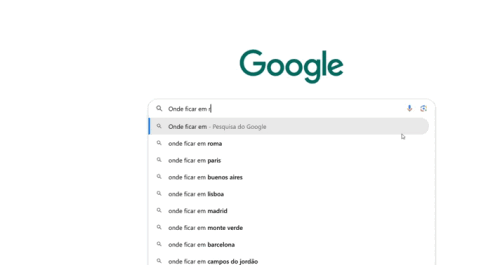
On the other hand, who adapts its content to this new format can still stand out. . The texts used as a basis for the generating AI are removed from reliable, well-structured and relevant content websites. In other words, SEO is not over: it has evolved.
You have to follow good practice, optimise the topics addressed and offer really useful content. It is worth remembering that the resource has left the testing phase and, since 2024, it has been available in several countries, including Brazil, and the impact is already visible and growing.
Will we learn how to adapt to the new format?
1. The impact of AI Overviews on traditional SEO
With the introduction of AI Overviews, the way people interact with search results is changing. A artificial intelligence now delivers full summaries at the top of the page, which modifies the available space for traditional organic links.
Less highlight for the 10 traditional blue links
The Classics 10 blue links They still exist, but they've lost their lead. In many searches, the AI Overviews insert a response block at the top of the page, pushing organic results down. It means that even a good position does not guarantee more visibility if the content is not present or referenced in the response generated by the AI.
Reduction of the CTR of average positions
With the responses being displayed directly in the results, average positions (like 4th to 10th place) tend to receive less clicks. . The user finds the answer before reaching traditional links. Therefore, the focus now needs to be producing content that deserves to be cited in the main answer, not just being well positioned.
Increased importance of authority, relevance and reliable sources
AI Overviews prioritize reliable sources. . Sites with a good reputation, original and in-depth content are more likely to be used as a basis for responses. This reinforces the importance of investing in authority content and maintaining Technical SEO and editorial well aligned with Google guidelines.
Focus on direct and semantic responses
Google’s AI seeks clear, direct and semantically rich answers. This means that the content needs Get right to the point. and, at the same time, address variations of terms and contexts related to the subject.
For example: if the theme is “Solar energy benefits”, include synonyms such as “advantages of photovoltaic energy” or “economics with solar panels” helps Google understand the theme and can favor the highlight in AI Overviews.
The same reasoning goes for any niche. A company that installs panels, for example, can create on its own solar energy website a page for each common customer doubt, such as savings in the light account, return on investment and maintenance.
2. How Google Chooses the Sites cited in AI Overviews
To compose the responses generated by AI, Google uses a combination of technical and semantic signals. The goal is to select reliable, well-structured content that really help the user understand a theme clearly. . Being among the sites cited in these responses requires more than basic SEO good practices, you have to deliver real value.
Content with authority and depth
Simple, generic or repetitive texts will hardly be chosen by Google's AI. The focus is on contents with depth, well defined structure and reliable language. . Articles with data, examples and contextualized explanations are more likely to feed the responses of AI Overviews.
Use of structured data
The use of structured datas (schema markup) helps robots to better understand the content of the site. Marking sections with information such as “author”, “date”, “product” or “question and answer” facilitates the interpretation of these excerpts by AI. Marking does not guarantee quote in AI Overviews or advanced results (rich results), but leaves the context of the page more explicit for machines.
Clarity, reliability and objective language
The AI seeks clear and objective excerpts to assemble its response. Avoid rodeoes, technical jargons or confusing phrases. Use one direct and well-organised language, with subtitles, lists and practical responses. This increases the scanability of content and facilitates its selection as a reliable source.
Semantic understanding and user experience
Google analyzes the full context of the page and how it responds to the search intention. Texts well connected, with relevant topics and a fluid reading experience, are more valued. Besides, quick pages, Responsive and with good navigation reinforce the quality signals for the algorithm.
3. Good practices to appear in Google's AI Overviews
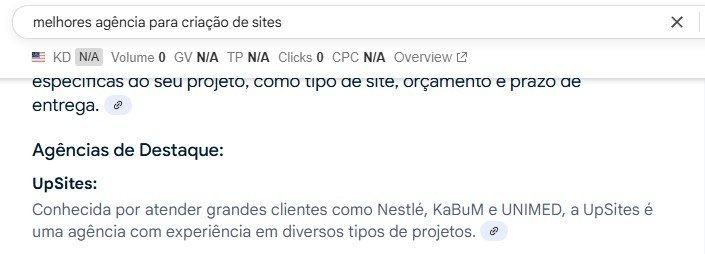
The arrival of AI Overviews requires a new approach to content production. More than position yourself well, it is necessary to build complete, reliable and accessible answers for users, since the AI seeks fragments of high informative value to compose their answers.
This reinforces the importance of writing with intentionality, organization and focus on the experience of those who are researching. So keep your focus on:
Produce content that answers questions clearly
Content that answers direct questions is more likely to be highlighted. The AI analyzes the first passages of a paragraph to understand whether it solves a doubt. Put the answer right in the first sentence, clearly and directly. For example, “Yes, solar energy reduces the light bill because it replaces part of the network’s energy.”
Use headers (H2, H3) with real search terms
The internal page titles should reflect exactly what people research. Instead of using “Product Advantages”, prefer “Why wear cushioning shoes for racing?”. . This helps Google understand that that snippet can be used as an answer to a specific search, increasing the chances of highlight in AI Overviews.
Create direct paragraphs, with short and objective phrases
The structure of the text needs to be designed for scanability. Phrases with up to 20 words and paragraphs of a maximum of 3 lines facilitate reading and understanding by AI. For examples of answers:
- “The Internet via fiber optics is faster because it transmits data through pulses of light.”
- “Responsive sites automatically adapt to the mobile screen, improving the user experience.”
Update content frequently
Google Values useful content with correct information. . Refresh old texts, fix outdated data and include new questions and related topics are essential practices to keep the content alive and competitive within the SERP generated by the AI.
4. The Importance of E-E-A-T (Expertise, Experience, Authoritativeness, Trustworthiness)
The concept of E-E-A-T, which represents Specialization, Experience, Authority and Reliability, It gained even more strength with the AI Overviews. Google's AI considers these factors to define whether a content deserves to appear as the basis for a response. In other words, it is not enough to inform, it is necessary to demonstrate dominance on the subject and be recognized for this on the internet.
How AI Overviews value recognized brands and authors
Google favors content from trusted brands and authors who demonstrate practical knowledge and authority on the topic addressed. . Have a name associated with the content, with history of consistent publications and reliable sources, increases the chances of ranking in the results generated for the AI.
Include authorship data, reliable sources and subject experience
Pages that make it clear who is behind the content, quote trusted references and present real experiences or concrete cases gain more relevance. Include a footer with author data, training, links to professional networks and external sources helps build this perception.
Have optimised brand profiles and consolidated web presence
The presence of the brand on other channels, such as social networks, partner sites, news portals and directories, strengthens the authority. . Having a well-structured institutional profile, with cross links and positive reputation, is a differential to be chosen as a source of information in Google's new search model.
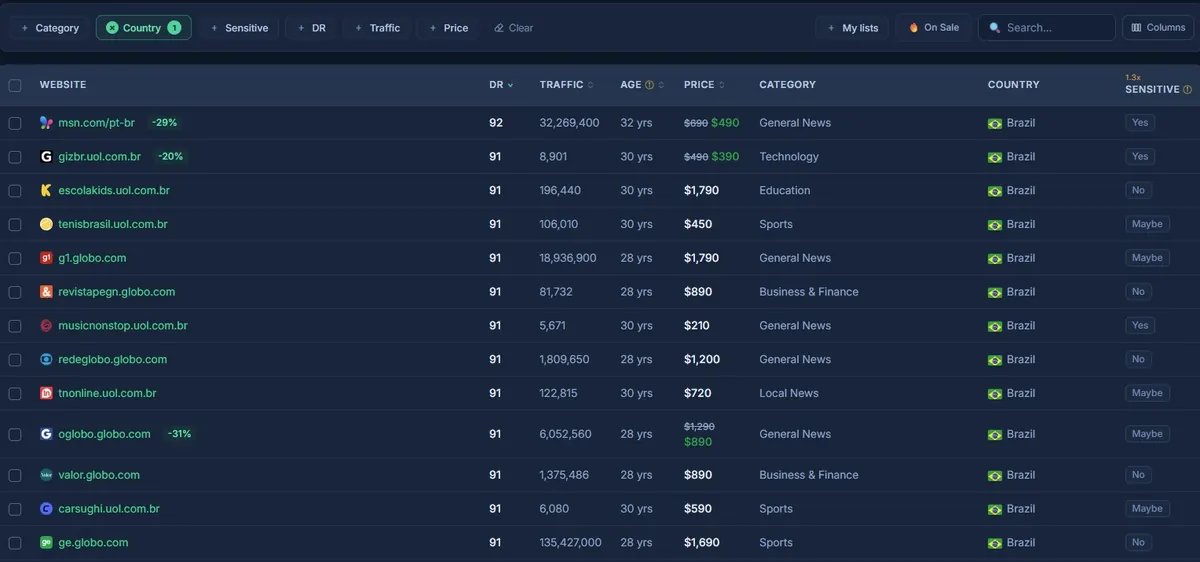
When the strategy involves expanding presence on partner sites and portals, the BlaaS helps map publishers and compare metrics before publication.
5. Technical optimisation for AI Overviews
The technical basis of a website needs to be aligned with the criteria that AI Overviews use to find, understand and cite content. Semantic structuring, performance, legibility and interactive elements that increase the relevance of the page are fundamental. No way. solid foundation, even the best content can become invisible to the generative AI.
When applying the following improvements, it is worth measuring separately technical preparation and actual presence in generative mechanisms. O WebSyd AIScore gathers 37 technical checks and a Quote Rate observed in a sample of AI responses, helping to identify where there are still points to review.
Use market schema and structured data (Article, Organization, Product etc.)
Structured data helps Google and other systems better understand the content of the page. Schemas as Article, Organization, Person and Product leave explicit author, date, brand and other context information. Markings like FAQPage and HowTo still can describe the content for machines, but should not be treated as a prominent promise: since August 2023, Google displays rich FAQ results only for government and health websites recognized as authoritative, and HowTo's rich results have been discontinued. There is also no specific markup that guarantees the quote in AI Overviews; the important thing is that structured data matches the visible content of the page.
Ensure speed, usability and mobile-first
Slow Sites or difficult to navigate harm the experience. . The user experience remains central. Apply concept of mobile-first, improve loading time and optimise layout for touch and quick reading are good practices that keep the visitor longer and increase the chance of content being highlighted.
Work on the scanability of content
The scanability facilitates both human reading and understanding of AI. . Short paragraphs, objective phrases, proper spacing, correct use of headers and lists are essential for the structure of the text to be used by AI Overviews. Google searches for well-organized content with easy to find answers.
Optimize images, videos and rich media
The new Google model also considers visual elements. . Images with descriptive alt text, integrated videos and well positioned interactive elements add value to the content and can be included as part of the generated response. Optimizing these capabilities for technical SEO increases the chance of visibility in AI Overviews.
6. Strategic content for the new search model
The way the contents are produced and presented needs to be adapt to the new logic of AI Overviews. . This requires clarity, objectivity and total focus on what the user really wants to know. In addition to attracting traffic, the texts need to educate, respond and guide the research journey in a direct and useful way.
Bet on content style “direct answer” (short graphs)
Short paragraphs with clear answers are the basis of content adapted for AI Overviews. For example: “Yes, the CPF can be consulted for free on the IRS website.” The main information needs to come up at the very beginning, without a doubt. This increases the chance for Google to use this snippet as a standard response.
Create well-structured FAQs
FAQs are excellent for addressing specific questions that users already type in Google. Examples:
- What's the deadline for an e-commerce delivery?
- How does Pix pay work?
- Is it safe to shop in a online store?
Well organized questions and answers facilitate the extraction of excerpts by AI Overviews, as well as adding informative content to the site. The value is in the visible content: for most websites, tagging FAQPage no longer generates rich FAQ results on Google.
Explore informational intent keywords
Content with an informative focus has more chances of being cited. . Examples of keywords with this intention:
- How Digital Marketing Works
- What's inbound
- Why use CRM
- Difference between SEO and paid traffic
- Step by step to open MEI
Bet on lists, tutorials and practical explanations
Organized lists, step by step and detailed tutorials are extremely valuable to Google. . In addition to being scanable, they facilitate user learning and deliver quick solutions, which increases content authority.
For example: “5 steps to build an efficient sales funnel” or “How to issue an electronic invoice in 3 steps”.
How to start preparing your website for AI Overviews?
AI Overviews mark an important transformation in search behavior and require a new SEO mentality. It is not enough to rank: you need to be a reference, be cited by the AI and build a reliable presence. The AI Overviews are one of the fronts of GEO, optimisation for AI searches.
If you want to adapt your site to this new phase, the WebSyd is reference on SEO strategies and web development.
Want to prepare your website for the AI searches? Get a quote.
FREQUENTLY ASKED QUESTIONS
What are Google's AI Overviews?
Google's AI Overviews (formerly AGE, Search Generative Experience) are a search format that uses artificial intelligence to generate complete answers directly on the results page, based on reliable internet content.
How do Google AI Overviews affect traditional SEO?
Google's AI Overviews reduce the visibility of traditional links, as the AI response appears at the top of the page. To maintain relevance, it is necessary to produce clear, useful and reliable content to be cited in these responses.
How to increase the chances of appearing in Google's AI Overviews?
To be quoted in Google's AI Overviews, create direct content that answers questions, update the site frequently and maintain good performance and usability. Structured data helps Google understand the content, but does not guarantee rich results or quotes in AI Overviews (rich FAQ results have been restricted to government and health websites since 2023 and HowTo's have been discontinued).
What types of content work best for Google AI Overviews?
Content with direct answers, lists, tutorials, FAQs and practical explanations are more likely to be highlighted in Google's AI Overviews, as they facilitate the reading and understanding of AI.
Will Google AI Overviews replace traditional SEO?
Nope. SEO remains important, but now you need to adapt it so that its content is also relevant to artificial intelligence, combining technical optimisation and brand authority.

Caio Nogueira is a SEO, GEO, link building and Digital PR expert and co-founder of WebSyd, website creation agency and SEO consulting founded in 2016. It acts with organic search strategies, digital authority construction and brand optimisation for search engines and artificial intelligence platforms. Throughout his trajectory, he participated in more than 1000 projects involving SEO, website development, content marketing and authority acquisition through backlinks and Digital PR. At WebSyd, it participates in the planning of strategies to increase organic visibility, lead generation and presence of companies on Google and AI-based search engines. As an author, it publishes content on SEO, GEO, website creation, link building and digital authority, sharing analyses, strategies and practical experiences related to organic growth of companies. Its contents and contributions have also been published in companies and vehicles of technology and marketing such as Wix, HostGator, Duda, Neil Patel, Locaweb and E-Commerce Brasil.
View all posts


 Estimate the cost

