
Plagiado Content Harms SEO: See How to Avoid in 2026
Summary (TL;DR)
In this post, you will find key information on how plagiarized content can negatively affect your site's SEO.
We explore the main ways to avoid Google's penalties, from the correct citation of sources to the use of originality verification tools.
The article also shows how plagiarism, even when accidental, can compromise the organic traffic and authority of its domain.
In addition, you will learn how to create a safer editorial process, avoid traps when using AI-generated content and implement periodic audits to keep your website clean and reliable.
We also show how to value originality as a competitive differential and how to train content teams to prevent common errors.
An essential content for those who want to grow ethically and sustainablely in the digital environment.

Quick answer: plagiarized content harms SEO when the site superficially copies or rewrites texts from others without adding anything: Google treats this as spam (extracted content) and can lower or remove pages. Casual similarity or quoted passages with credit do not generate penalty. To avoid: write with your own experience, quote fonts in the text, use a plagiarism checker and review what comes from AI.
Google wants to show original and useful content. Copying texts from other sites harms SEO; casual similarities with other content are not punished, but they can make Google choose another page as the main one.
In this article, you will understand why plagiarism affects your site's performance so directly, and more importantly: how to avoid it in practice, with tools, good practices and a clear process of original production.
Why does plagiarism affect SEO?
Google treats plagiarism as a violation of content guidelines. . This includes literal copies, slightly reformulated content without new context and even cases of misassigned citations. When the site copies content from others without adding value, Google treats it as content spam.
What are the risks?
- Loss of ranking positions
- Pages deleted from the search index
- Loss of organic traffic
- Reduction of domain authority
- In severe cases, manual action and removal of pages from the index
The damage goes beyond SEO: your brand loses credibility, and this can impact even paid campaigns and reputation on social networks.
1. Avoid deliberately copying ideas
It may seem obvious, but it is still common to find blogs and websites that copy entire content or significant excerpts from other authors. Sometimes, with little changes to disguise. The problem is that Google algorithm is smart enough to identify patterns and similarities, even from “Recast” texts.
On purpose plagiarism is treated more rigorously. It doesn't matter if the source is not well ranked or if you “changed a few words”: copying without adding value remains extracted content.
Practical tip: when you're inspired by content, use it as a starting point. Add opinions, own experiences, unique data and insights that add something new to the discussion.
2. Cite authors and external sources correctly
When you use ideas, statistics or excerpts from other authors, the solution is not to delete. It's giving the credit right.
Use quotes, mention the author and if possible enter the link to the original source. This shows editorial ethics and improves the confidence of your content, both for the reader and Google.
Beware: it is not enough to cite sources in the footer: insert credits into the body of the text, clearly and transparently.
3. Use plagiarism verification tools
Even if you write from scratch, you may still run the risk of matching other web content. So always review your material before publishing.
Free tools like the plagiarism detector help identify possible similar excerpts.
How to use these tools well:
- Scan the whole text, not just in snippets
- Analyze the percentage of similarity
- Edit or rewrite signaled snippets
- Maintain a revision pattern before publication
4. To paraphrase is not to copy
Rewrite content using synonyms or changing the order of sentences does not automatically transform the content into original. Google values unique content with its own voice and original approach.
If it is necessary to draw inspiration from a source, paraphrase intelligently. Use your language, restructure reasoning, and add your point of view. The AI can help, as long as it's used with human review.
5. Beware of AI-generated content
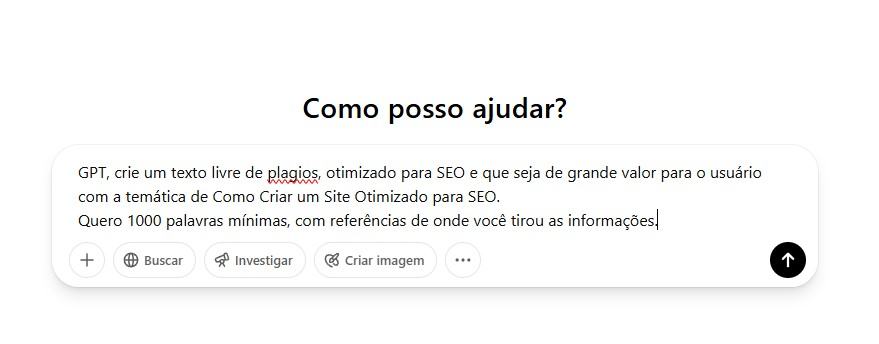
Tools like ChatGPT, Jasper and Copy.ai are great for accelerating production, but should not be used in autopilot. The content generated by AI can repeat common portions of the training base, which may generate accidental plagiarism.
What to do:
- Always review AI-generated texts
- Use detectors like Originality.ai
- Customize, complete and edit before publishing
6. Do content audits regularly
Even if you publish carefully, it is worth reviewing the old texts. Periodic audits help identify outdated, duplicated or broken content.
You can use Google Search Console to find pages with traffic or performance drop, and combine it with plagiarism verifiers to review the material.
Recommended frequency: every 3 or 6 months, depending on the production volume.
7. Valuing originality as a competitive differential
With so many content available online, what differentiates a good site is authenticity. Instead of trying to copy what already works for others, companies that invest in original content gain more authority, trust and public engagement. An exclusive content is remembered, shared and referenced.
Besides, original content increases user permanence on the page, which is also a positive sign for search engines. Google measures not only what you say, but how users interact with what you offer.
8. Document your content creation process
Having a clear process drastically reduces the risk of accidental plagiarism. Document each step: from the choice of theme, references consulted, to final reviews.
Use checklists that include:
- Originality check
- Correct assignments
- Pass SEO tools
- Final manual adjustments (to ensure voice tone and uniqueness)
This standardizes quality and prevents copied materials from going unnoticed.
9. Invest in content team training
Plagiarism often does not occur due to bad intent, but because of lack of knowledge. Capacitating writers, editors and freelancers is essential.
Offer training on:
- Copyright and digital ethics
- Good SEO Practices
- Plagiarism verification tools
- Original and creative writing techniques
With a well-prepared team, the content tends to be more authentic, relevant and lasting.
10. Optimize old content based on originality
Instead of just producing new texts, review those already published. Take advantage of old content with good potential and optimise it with more value, updates and rewrite where needed.
This process, called content recycling, is strategic to keep your site relevant without infringing good practices.
You can:
- Update data and statistics
- Replace broken links
- Insert more effective CTAs
- Fix duplication or similarity problems
A revised and more useful content tends to respond better to the search.
How to maintain the content of the original site?
Google is prioritizing quality, authenticity and real value. And that means abandoning any practice of duplication or automatic recasting. Its content needs to have intention, identity and purpose to be valued by search engines.
In short:
♪ Never copy or rewrite superficially
Give the credits correctly
Use tools to check originality
. Edit content generated by AI
? Do periodic audits
Original content is the way to grow solidly and ethically in organic traffic. Want to review the content and SEO of your website? Ask for an SEO consulting budget.
FREQUENTLY ASKED QUESTIONS
How does plagiarism affect the SEO of a website?
Copy or superficially rewrite texts from other sites can cause Google to degrade or remove pages, because this is treated as extracted content (spam). Casual similarities do not generate a penalty, but Google can choose another page as the main version.
How to avoid plagiarism in web texts?
To avoid plagiarism, create original content, correctly quote all sources used and use plagiarism verification tools before publication. Paraphrasing intelligently and reviewing AI-generated content are also recommended practices.
Which tool to use to detect plagiarism in digital content?
There are several reliable tools, such as Duplichecker, Grammarly Premium, Plagiarism Detector and Copyscape. They scan the content and indicate parts that coincide with texts already published on the Internet, helping to avoid SEO penalties.
Is it safe to use content generated by artificial intelligence?
Yes, as long as the content is reviewed by humans before publication. Texts generated by AI may contain excerpts similar to existing contents, which increases the risk of unintentional plagiarism. Always use a verification tool before publishing.

Caio Nogueira is a SEO, GEO, link building and Digital PR expert and co-founder of WebSyd, website creation agency and SEO consulting founded in 2016. It acts with organic search strategies, digital authority construction and brand optimisation for search engines and artificial intelligence platforms. Throughout his trajectory, he participated in more than 1000 projects involving SEO, website development, content marketing and authority acquisition through backlinks and Digital PR. At WebSyd, it participates in the planning of strategies to increase organic visibility, lead generation and presence of companies on Google and AI-based search engines. As an author, it publishes content on SEO, GEO, website creation, link building and digital authority, sharing analyses, strategies and practical experiences related to organic growth of companies. Its contents and contributions have also been published in companies and vehicles of technology and marketing such as Wix, HostGator, Duda, Neil Patel, Locaweb and E-Commerce Brasil.
View all posts


 Estimate the cost

