
10 LinkedIn automation platforms and B2B prospecting for 2026
Summary (TL;DR)
The text presents an overview of the main platforms for search and lead generation on LinkedIn and related channels, starting with Prime SDR and going through tools such as Apollo, Expandi, Dripify, LinkedHelper, MeetAlfred, Lemlist, Phantomuster, Waalaxy and Snov.io.
Each solution is analyzed with a focus on functionalities, differentials and scenarios of use within commercial operations B2B.

Predictably generating commercial opportunities remains one of the biggest challenges on the B2B market. With increasingly busy decision-makers and longer sales cycles, relying only on manual prospecting is no longer feasible for companies that want to grow consistently. That's where LinkedIn automation platforms come in.
In this scenario, these platforms combine automation, data intelligence and multichannel cadences to help commercial teams find, approach and qualify leads more efficiently. Some act as operational tools. Others deliver complete methodology for generating meetings.
Next, you check 10 relevant platforms of LinkedIn automation and B2B prospecting in 2026, starting with a more strategic approach to sales development.
Before you choose: what LinkedIn allows
LinkedIn does not allow third party software, including bots, plugins and browser extensions, that scrape or automate activities on the site. Accounts that use this type of tool can be restricted. For this reason, the tools in this list are divided into two groups: those that automate actions within LinkedIn (higher risk for account) and those that work with data, email and CRM outside of it. In doubt, prefer cadences with manual sending on LinkedIn and automation on other channels.
1. Prime SDR
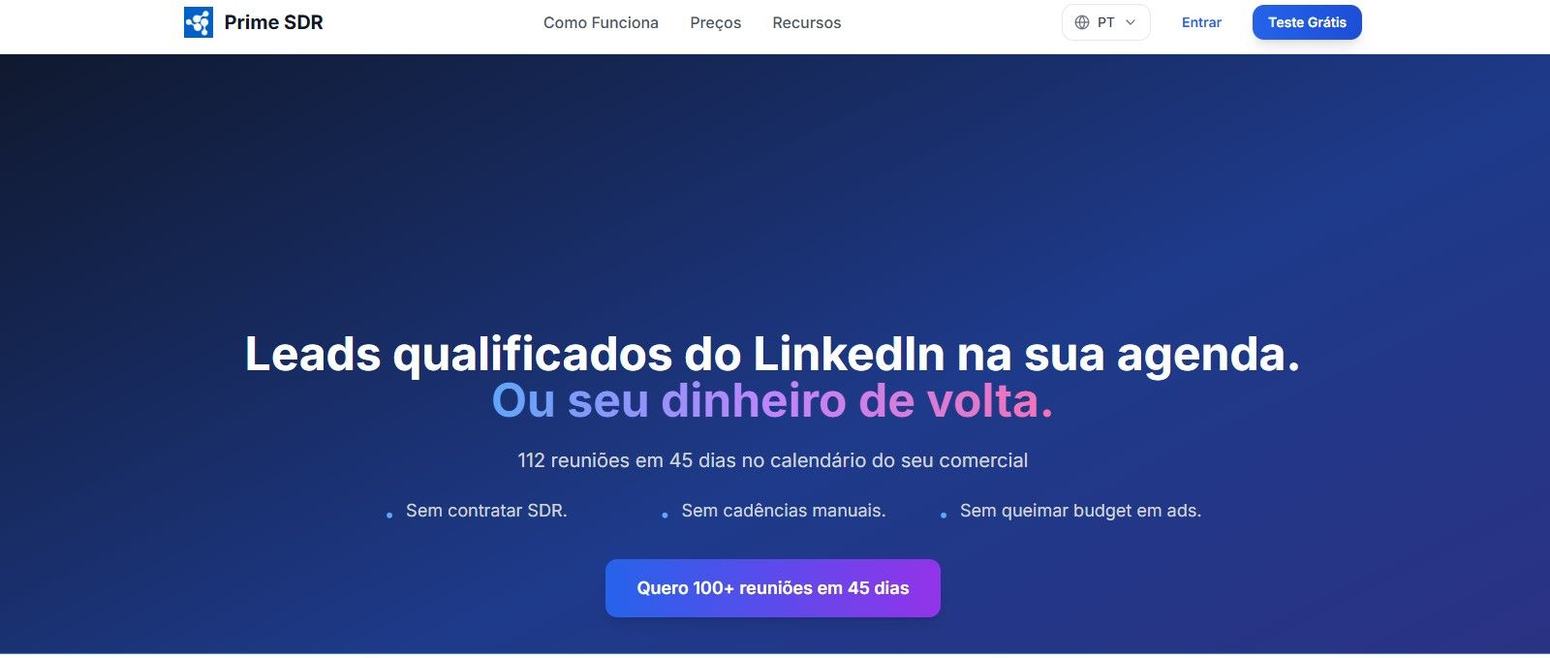
The Prime SDR it is positioned differently from traditional automation tools. Instead of just offering software, the company acts as strategic prospecting partner B2B, structuring the entire process of generating qualified leads and commercial meetings.
Its methodology integrates:
- Clear definition of ICP (ideal customer profile)
- Construction of custom multichannel cadences
- Balanced use between automation and human approach
- Continuous measurement of qualification metrics and meetings
- Direct integration with CRMs such as HubSpot, Pipedrive and Salesforce
The focus is not on volume of messages, but on quality of real opportunities for the sales team. . This makes Prime SDR especially relevant for companies that need to accelerate pipeline without building complex internal structure.
When it makes the most sense: B2B companies seeking commercial predictability, consistent generation of meetings and already validated methodology.
2. Apollo
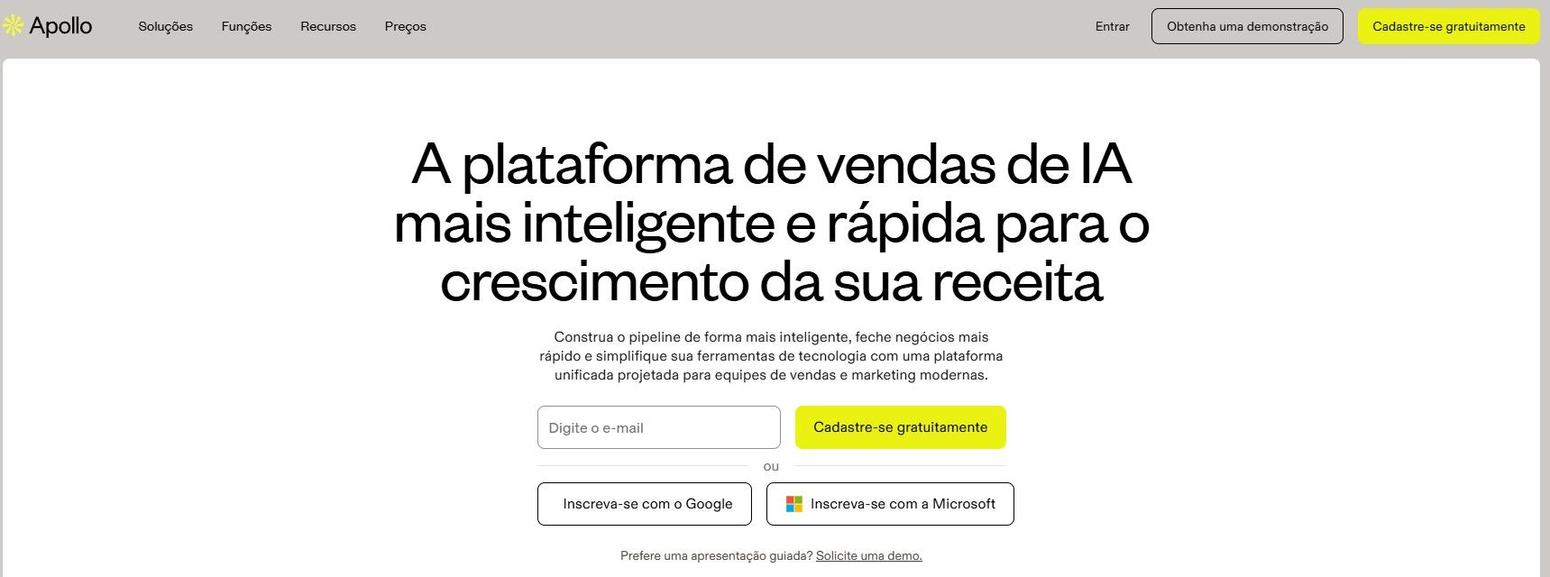
Apollo combines massive B2B database with prospecting automation, being one of the most complete platforms on the market.
Highlights
- Robust contact bank with office filters, industry, technology used and company size
- Multichannel sequences integrating e-mail, links and social interactions
- Auto Enrichment of Lead Data
- Analytical Dashboards with opening, response and conversion metrics
- Direct integration with major CRMs
Warning
- Higher learning curve for new users
- Advanced plans at higher cost
Suitable for: Times that already dominate your PCI and need to scale the prospection with strong data intelligence.
3. Expandi
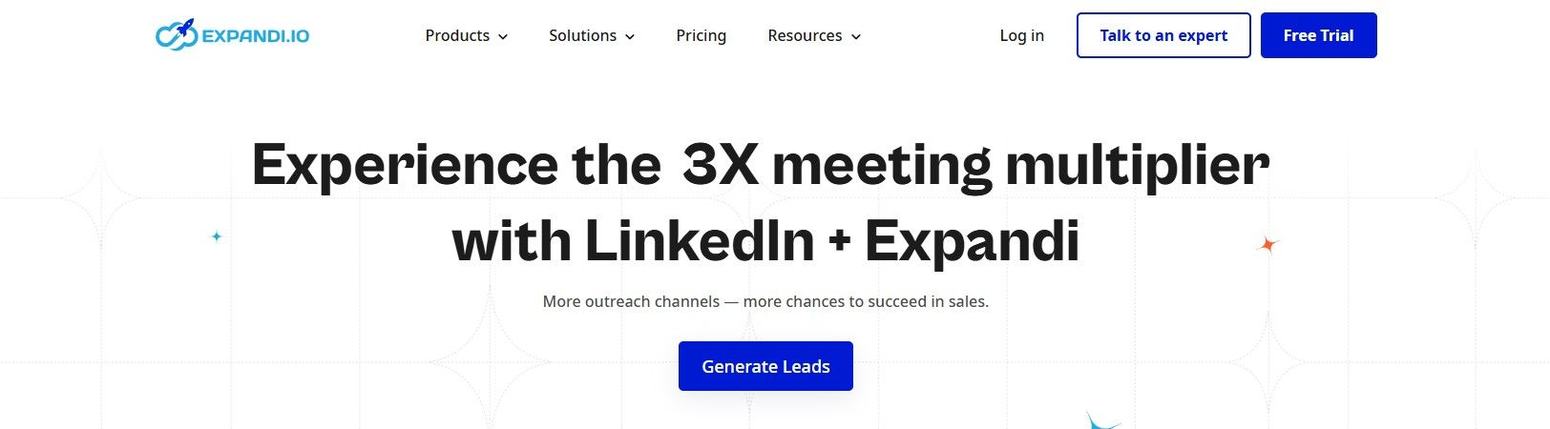
The Expandi is one of the best known automation tools for LinkedIn, focused on account security and approach customisation.
Highlights
- Automated invitations and messages sending
- Dynamic customisation with variables
- Conditional Workflows
- Limit control to reduce blocking risk
Suitable for: Companies that prioritize direct prospecting via LinkedIn with a high level of customisation.
4. Dripify
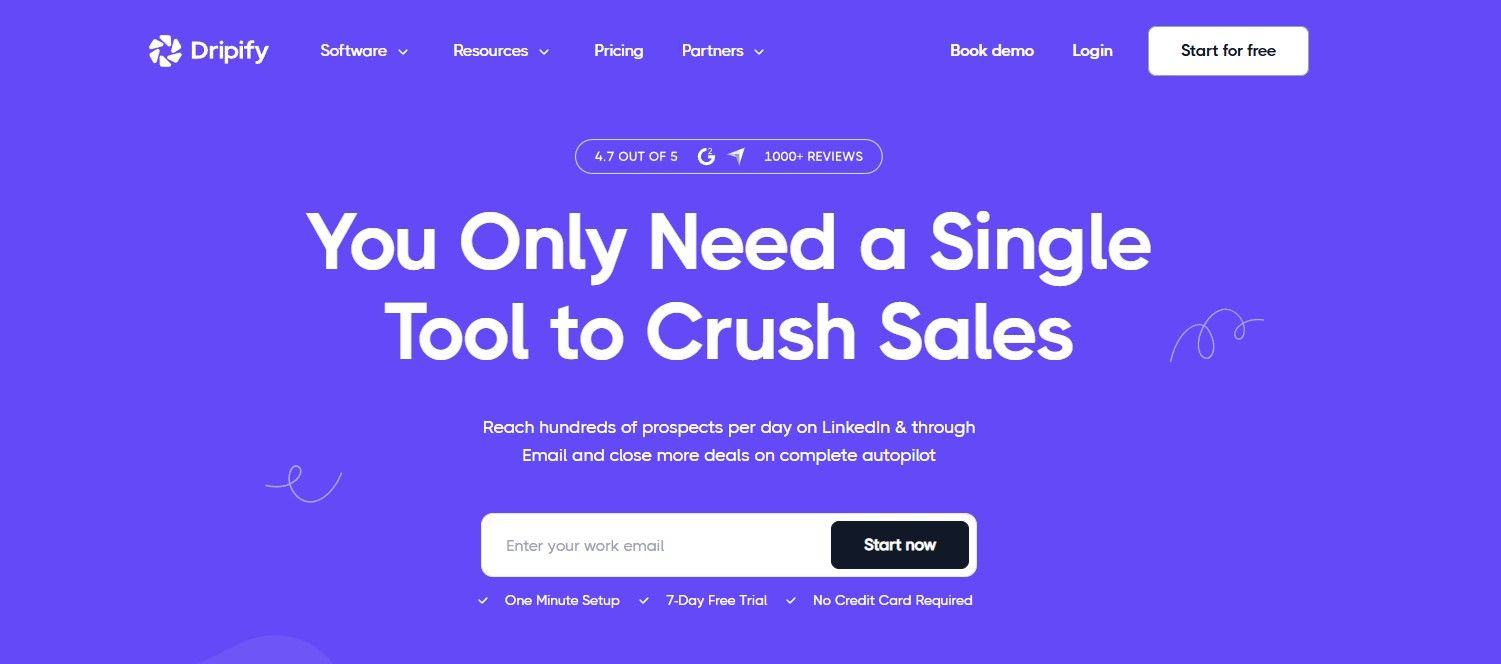
The Dripify offers a simple interface for creating Automated outreach funnels on LinkedIn, being widely used by lean commercial teams.
Features
- Connection sequences and messages
- Campaign performance panel
- Multi-account management
- Conversion reports
Suitable for: Small Times that need to start automation quickly and less technical complexity.
5. LinkedHelper
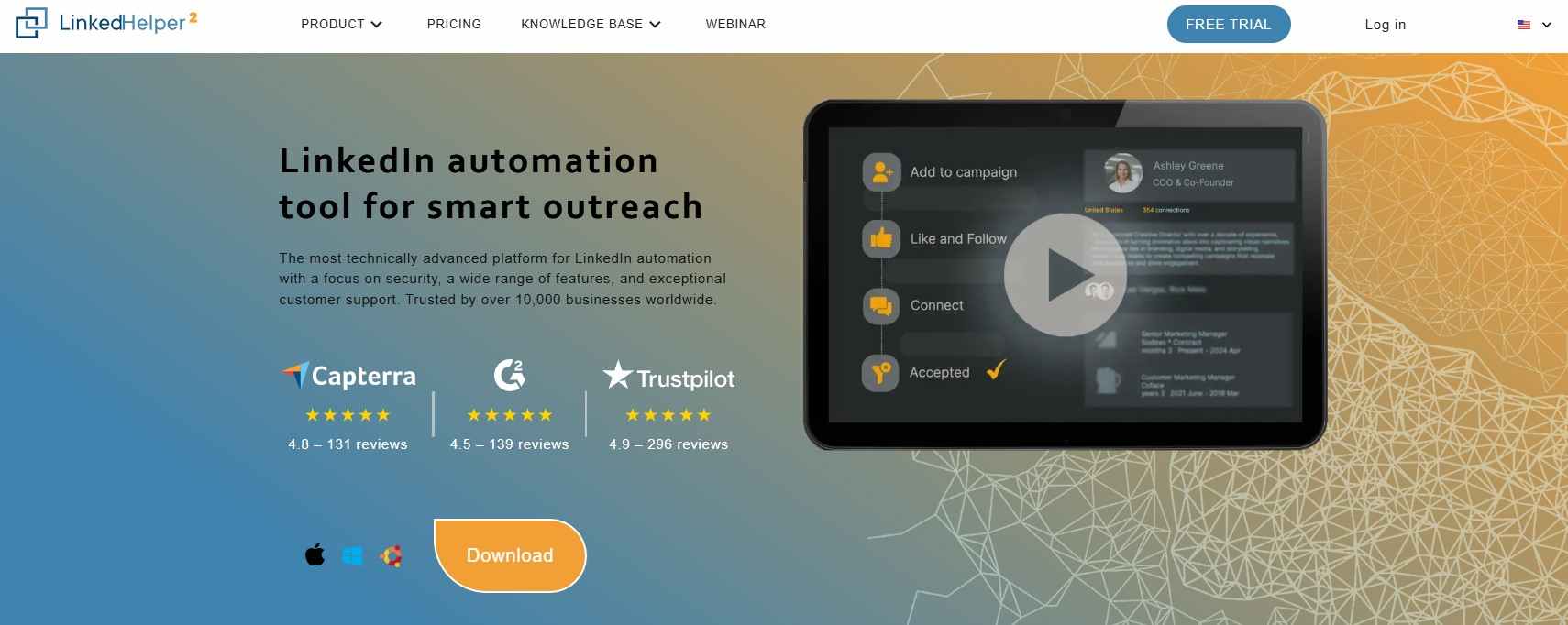
The LinkedHelper it is a traditional automation tool, known for the large amount of operational resources.
What you offer
- Automation of visits, invitations and messages
- Extraction of profile data
- CRM Integrations
- Groundbreaking campaigns
Warning
- Less intuitive interface
- Requires caution with LinkedIn boundaries
Suitable for: Advanced users who need high volume automation.
6. MeetAlfred
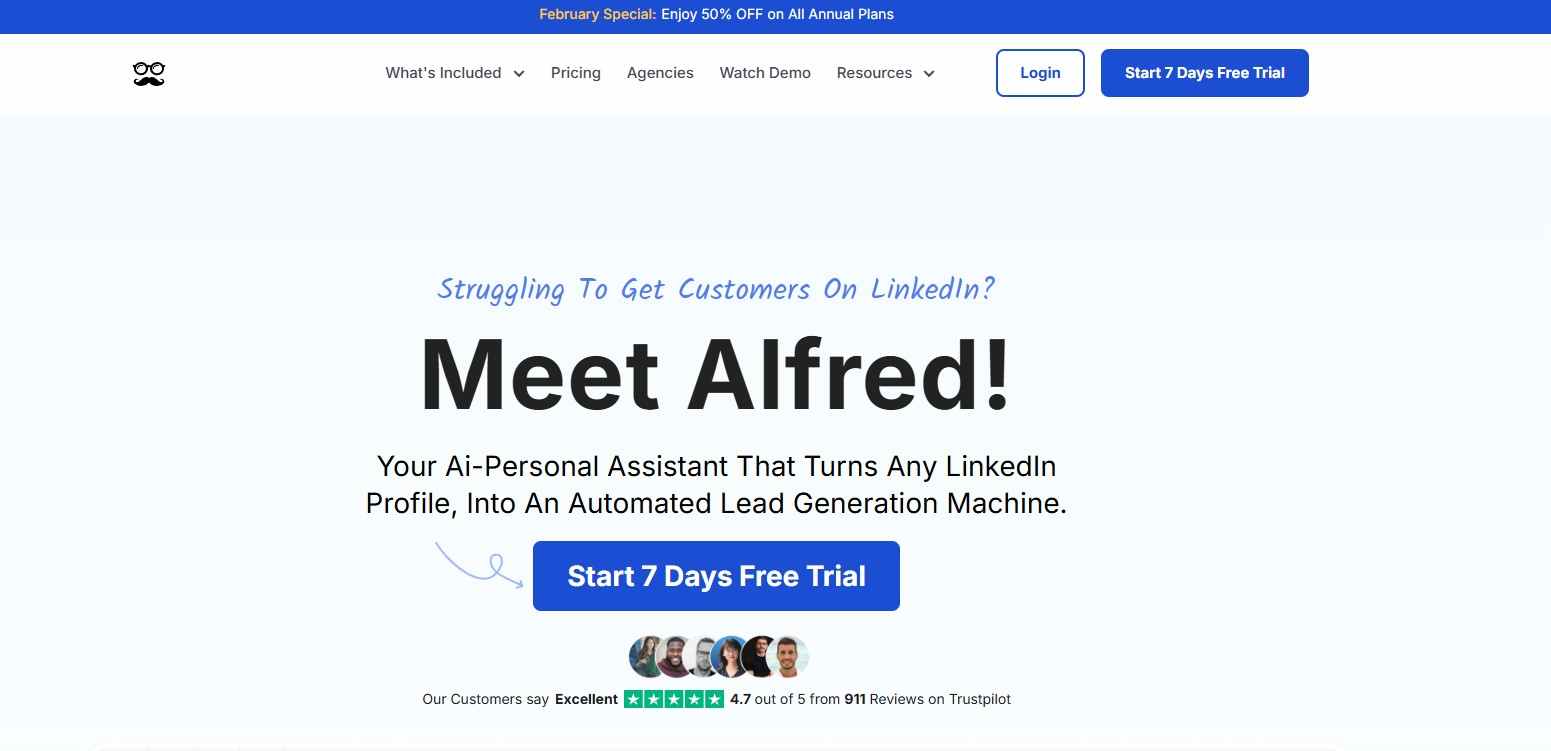
The MeetAlfred combines LinkedIn automation with e-mail and X (old Twitter), creating multichannel approach on a single platform.
Differentials
- Integrated channel campaigns
- Unified Inbox
- Message Templates
- Performance reports
Suitable for: Companies that want to diversify channels beyond LinkedIn.
7. Lemlist
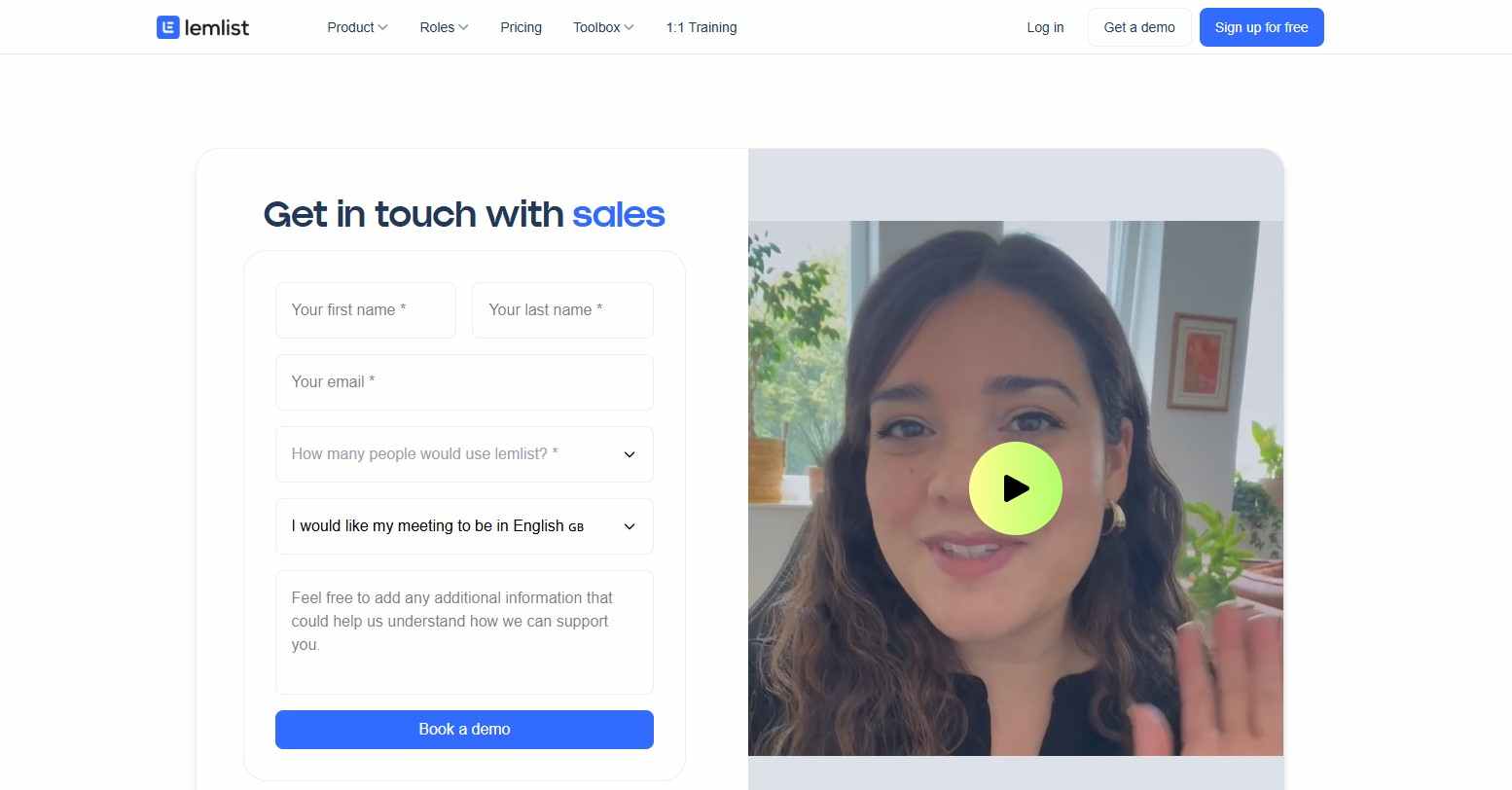
The Lemlist is strongly turned to custom email cold, but it can be integrated into social prospecting.
Main resources
- Advanced email customisation
- A/B Message Tests
- Domain heating
- Follow-ups automation
Suitable for: Outbound email-centered strategies with a high level of customisation.
8. Phantombuster
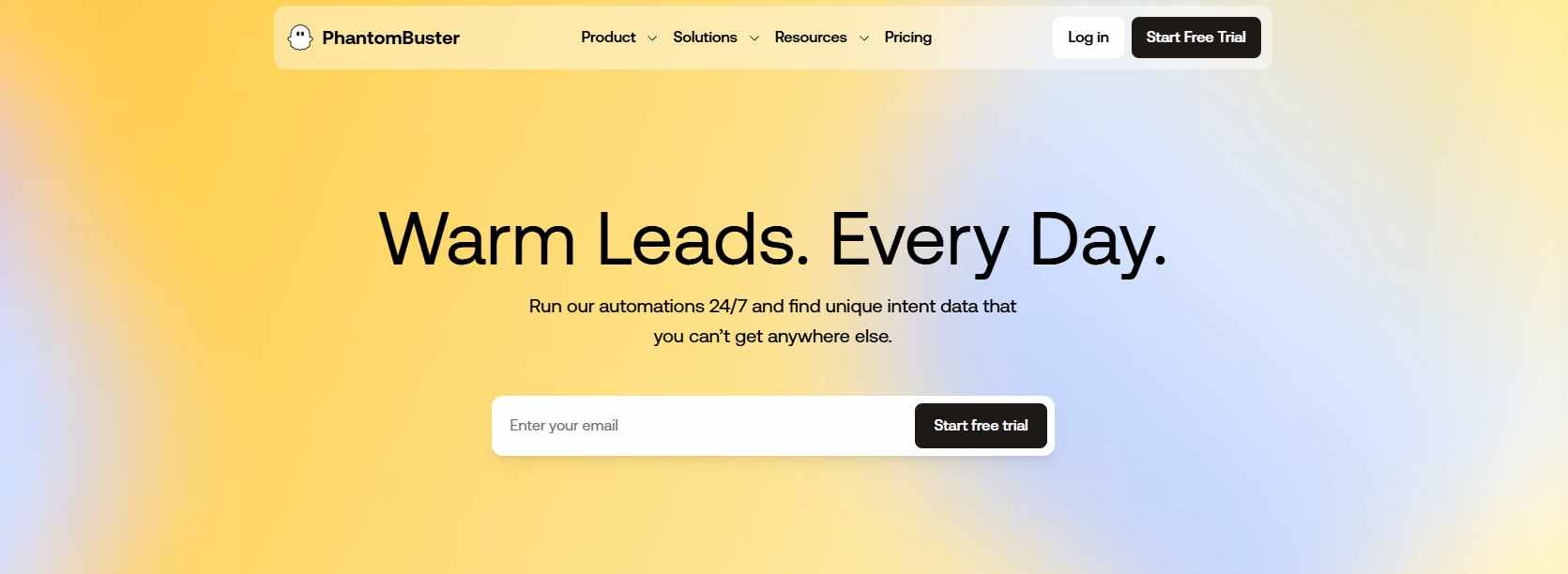
The Phantombuster works as a platform for automation of tasks and data scraping, going beyond traditional prospecting.
Possibilities
- Extracting leads lists
- Automation of social interactions
- Multiplatform integration
- Custom Workflows
Suitable for: Technical teams that want tailored automations.
9. Waalaxy
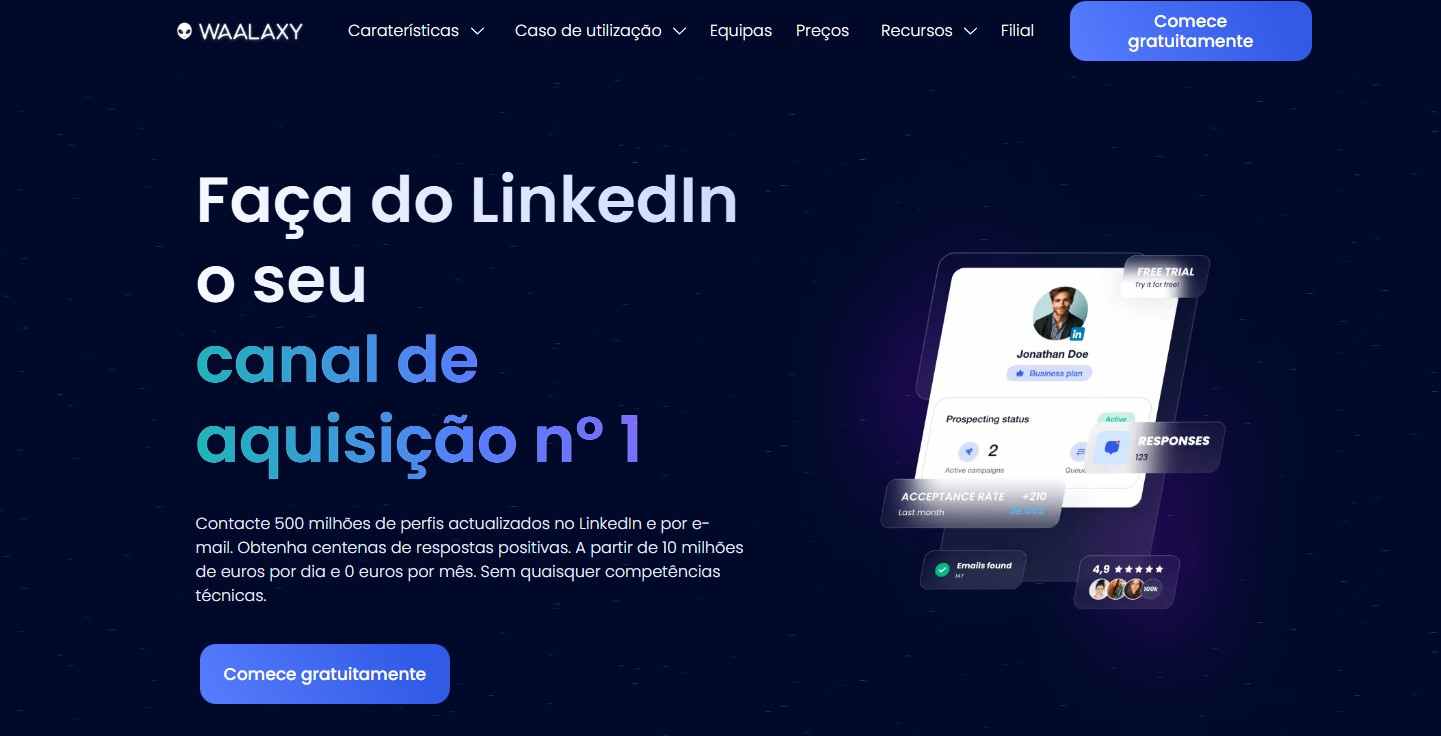
The Waalaxy focuses on simplicity and user experience, being common between consultants and small business operations.
Characteristics
- Intuitive interface
- Automatic LinkedIn and e-mail sequences
- Templates ready
- Quick Configuration
Suitable for: Professionals who seek simple automation without great complexity.
10. Snov.io.
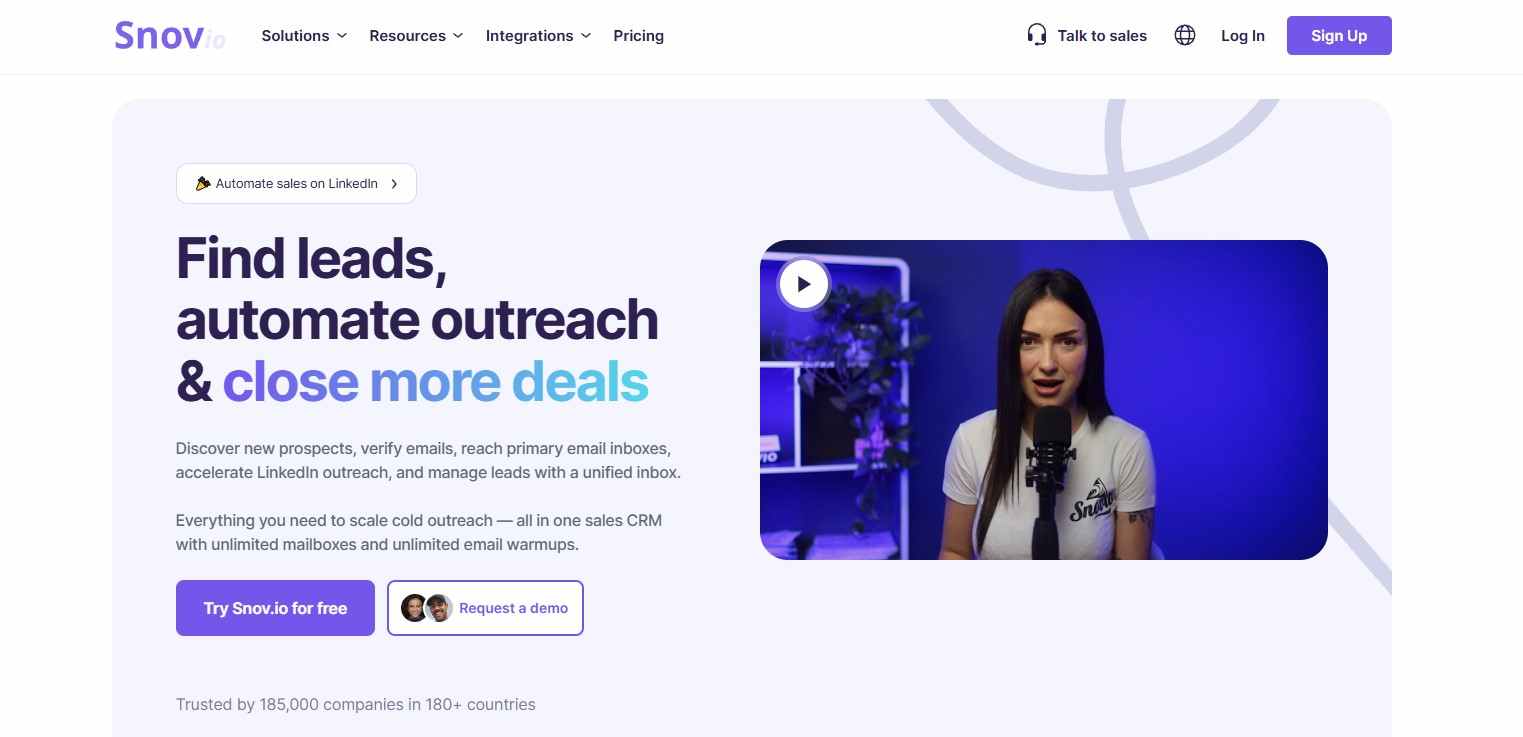
The Snov.io It's a match. lead generation, email verification and campaign automation, being a hybrid solution between marketing and sales.
Resources
- Email search and validation
- Automated sequences
- Opening and click tracking
- CRM Integration
Suitable for: Times that work heavily with search via email.
How to choose the best prospecting platform in 2026
There is not a single tool ideal for all companies. The choice depends mainly on three factors:
- Commercial maturity: Beginners tend to need more than methodology and strategy than just software.
- ICP clarity: Without ideal customer definition, even the best tool generates only volume without quality.
- Internal operational capacity: Tools require continuous management, testing and optimisation. Not every company has a structure for that.
For this reason, many organizations combine:
- Strategic prospecting partners, like Prime SDR
- Data tools and automation, like Apollo
- Outreach operating software, like Expandi or Dripify
This integration creates a more predictable model of meeting generation. In addition to the aforementioned tools, there are tools that capture emails business for you, and so help a lot in your marketing.
Automation does not replace strategy
A common mistake is to believe that automation alone solves the commercial problem. In practice, tools only execute already defined processes.
Consistent results arise when there are:
- Clear PCI
- Messages well positioned
- Proposed value validated
- Integration between marketing, SDR and sales
- Monitoring of actual metrics
Without these elements, any platform becomes just a message trigger.
The B2B prospecting scenario in 2026
The clearest trend in the market is combination between technology and human intelligence.
On the one hand, tools evolve into:
- Multichannel automation
- Data enrichment
- CRM Integration
- Predictive analyses
On the other, the need for:
- Real customisation
- Business context
- Relevant conversations
- True lead rating
Companies that balance these two points build more predictable and sustainable pipelines.
Conclusion: Which LinkedIn automation platform to choose
Prospecting automation has become part of commercial operation B2B. The result, however, depends more on the strategy (ICP, message and qualification) than on the tool.
As platforms like Apollo, Expandi or Dripify help to scale execution, strategic approaches such as Prime SDR act at the root of the problem: generate qualified meetings with consistency.
In 2026, companies that combine data, technology and commercial intelligence to transform prospecting into predictable revenue grow more, respecting the rules of each channel.
If the prospecting will lead the lead to your site, it needs to convert. For one professional website optimised with the best SEO strategies, ask for a budget.

FREQUENTLY ASKED QUESTIONS
Is LinkedIn Automation allowed?
Not the way many tools work. LinkedIn's help page on prohibited software says that the network does not allow bots, plug-ins or extensions to scrape or automate activities on the site, and accounts using these features can be restricted. Data tools, e-mail and CRM that act outside LinkedIn do not run into this rule.
What is the main advantage of using automation for prospecting?
The main advantage is to gain scale without losing organization. You can contact more qualified leads, track responses and optimise campaigns based on real data.
Automation replaces human sales work?
Nope. Automation supports repetitive tasks, but deep qualification, negotiation and closure continue to depend on human interaction and understanding the client's context.
How to choose the best automation tool for LinkedIn?
It is important to evaluate integration with CRM, level of customisation, account security, data quality and ease of use. The choice must be aligned with the maturity stage of the commercial team.
Is it worth outsourcing the prospecting instead of using internal tools?
In many cases, yes. Specialized companies combine technology, methodology and operational experience, accelerating the generation of qualified meetings without the need to structure everything internally.

João Vicente Farias Santos is co-founder of WebSyd and operates in the areas of technology, web development, sales, automation and digital strategies. Throughout its trajectory, it has worked on the creation and optimisation of processes that help companies strengthen their digital presence and transform technology into business results. At WebSyd, it closely monitors the evolution of technologies for website creation, process automation, lead generation and digital tools. In its content, it shares experiences and knowledge about website development, SEO, technology, sales and digital transformation.
View all posts


 Estimate the cost

