
Thanks Page: Which is the Perfect Structure to Catch More Engagement?
Summary (TL;DR)
In this post, let's talk about the strategic importance of thank you pages, or Thanks You Pages, and how they can positively impact the user experience. They go far beyond a simple “thank you”, being fundamental to confirm successful actions, strengthen the brand’s identity and engage the visitor.
We will discuss how these elements can transform leads into brand fans, creating stronger connections and opportunities for new conversions.
We will also address the ideal structure for an efficient thank-you page, including elements such as personalization, brand reinforcement, action calls and social proofs. You will understand how to take advantage of this space to engage the customer even more and even increase conversions.
Finally, we will explore creative strategies and mistakes to avoid in order to maximize the results of this tool. Shall we go?
Thanks page, or thanks you page, is the page that the user sees after filling out a form, downloading a material or completing a purchase. She confirms that the action worked. The ideal structure has thanks, the strengthening of the brand and a call for the next step, as well as resources such as social proof and a new offer.
Second Zendesk, 73% of consumers They switch brands after bad experiences, and more than half abandon the brand after a single unsatisfactory interaction.
If we think of a conversion scenario, the thank you page is equivalent to the handshake after closing a deal. She confirms that It all worked out., shows that you value your visitor and still opens doors to new opportunities.
When well done, she turns a simple lead into a fan of her brand, without even realizing it. That's why investing in a Strategic Thank You Page can be the difference between engaging the customer even more or letting him go.
Understand how this strategy works and what is the perfect structure to engage. Shall we go?
What is a thank you page and why is it so important?
A thank you page, or Thanks You Page, is the one where the user arrives after performing an action on your site, how to fill out a form, download a material or complete a purchase.
It serves as an immediate confirmation that the interaction was successful, eliminating any doubt or insecurity about the process. More than that, it is a gesture of courtesy and recognition for the time and attention of the user.
In addition to informing you that the action has been successfully completed, these pages have a strategic role for your business. They close the visitor's conversion stage to lead or customer (so it is usually in them that the visitor becomes a leader or client). Google Ads conversion tag), but also open the possibility of engaging him even more.
And why does it matter? Because the moment after conversion is one of the strongest for customer relationship. It is there that you can take a person to a next step, such as knowing his services, giving feedback or making another conversion.
In short, a well thought-out thank you page is a key point in the user experience on the site and an opportunity to create an even stronger connection with your brand.
Essential elements of an efficient thank you page
Now that you know the importance of strategy, it's time to figure out how to create a structure page thank you. . After all, in addition to thanking for the interaction, Thanks You Page must meet other strategic goals, such as strengthening user confidence and encouraging you to continue browsing.
Let's get to know the elements that can't be missing to turn your thank you page into a powerful engagement tool:
Thank you.
The first element of a thank-you page is thanks. When someone concludes an action on your website, such as downloading an e-book, signing up for an event or finishing a purchase, recognize that effort.
A simple “thank you” is more than a courtesy: it is a form of humanizing digital experience and strengthen the connection with the user.
Customize this message whenever possible. For example, instead of just saying “Thank you”, you can include the client name or mention the action performed: “Thank you, John! Your e-book is already on its way.” This improves the experience and leaves the user with a positive perception of his brand.
Strengthening of the brand
Your Thank You Page should be an extension of your brand's visual identity and communication tone. As colors, fonts and page style need to be aligned with the rest of the site to ensure a cohesive experience. This is important because, even after conversion, the user is still evaluating the reliability and consistency of his business.
For example, if your brand uses a design minimalist and modern on other pages, the thank you page should follow the same pattern. Include the logo and maintain the layout family members reinforce the identity of their business, helping to create a customer journey continuous and fluid.
Call for action
A common mistake is to think that the thank you page marks the end of the interaction. Actually, she's the perfect moment to stimulate the next step. . This can be done with a call for clear action, such as seeing more content on the site, filling in a feedback search or even performing a new conversion, such as signing a newsletter.
For example, if the user downloaded an e-book, you may suggest that it subscribes to a webinar related theme. With a message like “Did you like our content? Sign up for our next event and deepen your knowledge”, you keep engagement active and expand opportunities for interaction.
Social proof
Add testimonials or customer reviews on the thank you page is an intelligent way to increase user confidence. Even after concluding an action, he may not be 100% sure that he made the right decision. Showing that other people have had good experiences with your brand can reassure you and encourage you to continue interacting.
For example, a carousel with short phrases from real customers, with name and company (with permission). Invented testimony violates the Conar code And the Consumer Protection Code, and a keen customer understands.
Social sharing
The thank you page is also a good opportunity to engage the public on social networks. Enter share buttons and invite the user to disclose the completed action, with visible icons and ready text.
For example, if he downloaded a material, you might suggest: “Did you enjoy our e-book? Share with your friends!” And get a text ready: “I just downloaded some amazing material on [theme]. Check this out: [link]”. . This strategy helps to turn customers into ambassadors of your brand.
Strategies to Increase engagement on the Thanks page
You want to make sure your thank-you page isn't just another bureaucratic step? Use strategies that inspire the user to stay connected with your brand. . Check out some ideas to increase post-conversion engagement:
- Offer something exclusive: include a bonus, such as a special discount or additional content related to the action he has completed;
- Invite to a next step: suggest a webinar, new registration or relevant product page;
- Customize the experience: use the user name and offer options aligned to his behavior on the site;
- Use eye-catching visual elements: bet on short videos, interactive graphics or animated messages to surprise;
- Bet on reciprocity: include an emotional thank you message, valuing the client's role in building your community.
For example, if he downloaded an e-book, how about showing a short video with extra tips or inviting him to an online community? These actions not only increase engagement, but create a continuous value perception.
Errors you should avoid when creating a thank-you page
Creating an efficient thank you page requires balance. . One of the most common errors is to overdo the amount of elements, which can overload the look and confuse the user.
The page needs to be functional and attractive, with a clean design that guides the visitor to take the next step, without distractions or excessive unnecessary information. Remember, less is more when the goal is optimisation of thank you pages.
Another frequent error is not aligning the page message to the rest of the marketing funnel. If the user downloaded specific content, for example, the thank you page should complement this experience with relevant information.
Avoid generic or unconnected messages with what led the visitor there. A well-planned page maintains the harmony and logic of the customer's path.
Technical Care: noindex and conversion record
Two technical adjustments avoid problems. First, apply the tag noindex on the thank you page, so she doesn't Google and nobody gets to her without going through the form. Second, register the visit to this page as a main event (conversion) in Google Analytics 4; so you know how many leads each campaign generates.
Practical examples of successful thank you pages
The possibilities for creating a thank you page are many, and you can adapt them to the style of your brand and to the needs of your audience. Check out some creative ideas and examples to inspire you to turn your page into a powerful tool for conversion and engagement:
New offer
An intelligent strategy is to offer complementary content that enriches the user experience. . Imagine he just downloaded an e-book about digital marketing trends. The thank you page may suggest other related material, as a practical checklist to implement these trends in everyday life.
Back to blog
Another idea is to invite the visitor to know more about the blog from your company. This is especially useful when you have a robust library of content that can help educate and engage the public. Include an attractive call, such as: “Did you like this stuff? Check out more content that might interest you!”
Offer more than one option
When your marketing strategy is already well consolidated and you have a variety of content, offer multiple options on the thank you page can be a great request. This tactic works well, especially when you still don't have clear information about lead preferences.
For example, in addition to indicating a new e-book, you may suggest signing up for a webinar or access to a visual guide. Thus, the user chooses the option that best meets their needs, increasing the probability of engagement.
Capture of qualified leads
Thanks page can also be an opportunity to capture qualified leads Ready to talk to your sales team. Please enter a call that allows the visitor to request direct contact with a consultant if he is interested in knowing more about his services or products.
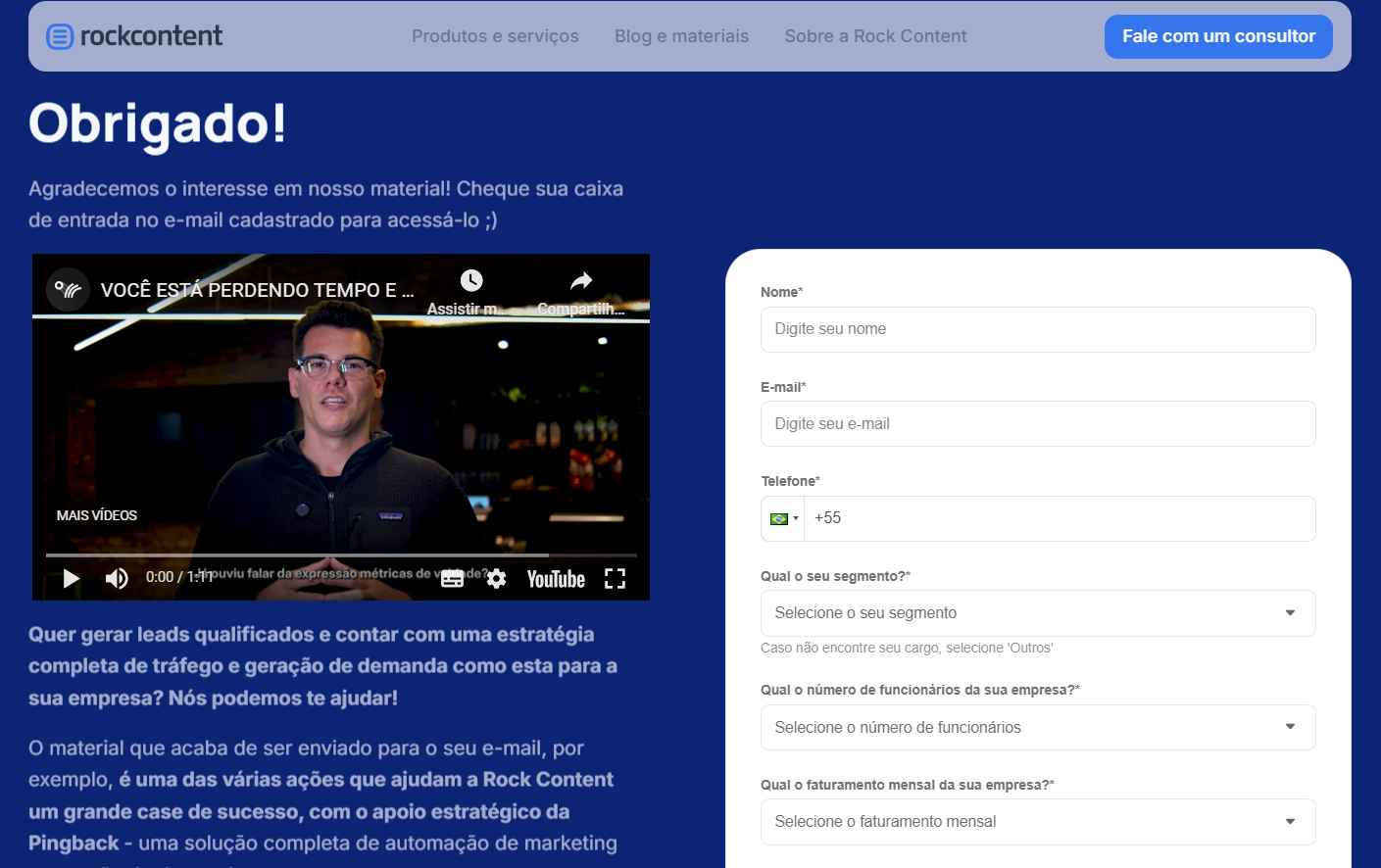
That's an example of Rock Content. When you download a material, the thank-you page brings the possibility of talking to experts on that subject with a new form to receive the contact!
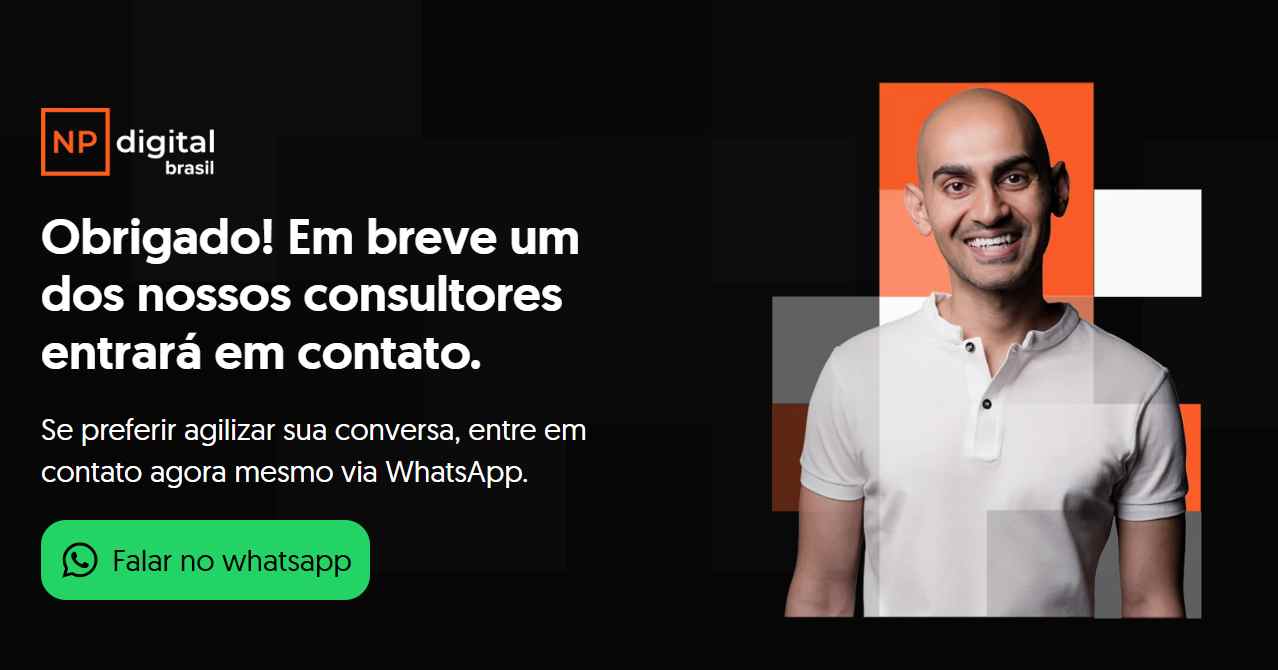
Neil Patel Digital uses a minimalist look with the option to get in touch with WhatsApp.

Hotmart's thank you page is also minimalist, has brand reinforcement and brings more than one option to the user. The first is to download the contents.
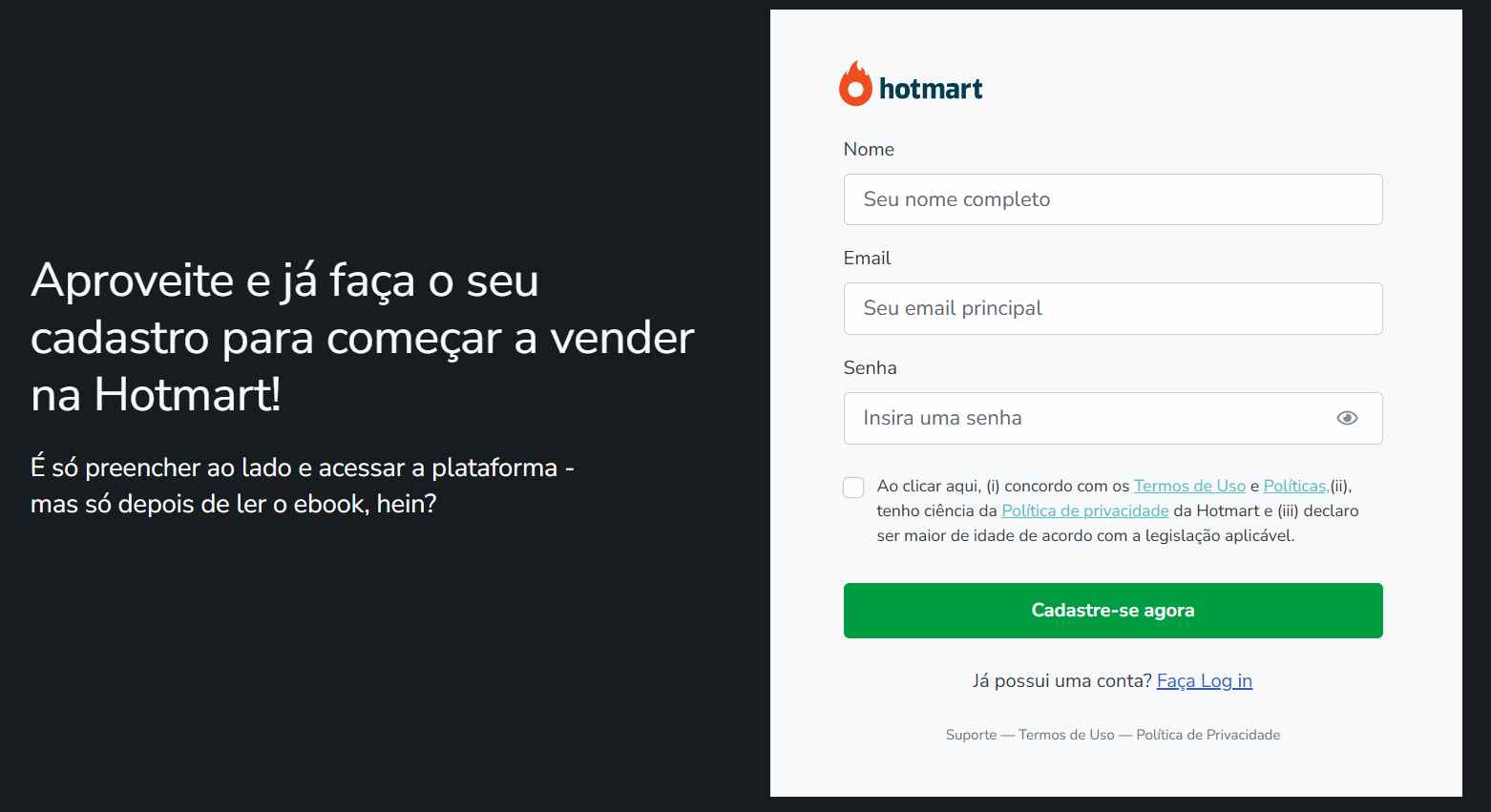
The second action is to register on the platform to become a affiliate or producer. The company doesn't waste any time, does it?
Final considerations: Turn your thank you page into a retention and sales strategy
The thank you page is an opportunity to engage, loyalty and convert. With the right elements and without the most common errors, it becomes a retention point and sales.
Landing page builders and form plugins allow you to create thank-you pages without programming. If you prefer a team to take care of this along with the site, WebSyd can help.
Also read about how to create paid subscription system on your site.
Ready to create a thank you page that works? Get a quote ed WebSyd.
FREQUENTLY ASKED QUESTIONS
What is a Thanks You Page and why is it important?
A Thank You Page, or thank you page, is the page that the visitor sees after completing an action on the site, how to fill out a form or finalize a purchase. It confirms that the action worked and serves to strengthen the relationship: thanks, reinforces the brand and indicates the next step.
What should be included in a thank you page?
An effective thank you page shall contain:
- Personalised thank you message: like “Thank you, [Name]! Your request was received successfully.”
- Call for action (CTA): suggest the next step, such as downloading other material, following your brand on social networks or exploring other services.
- Social proof: testimonials or evaluations to increase confidence.
- Consistent visual identity: strengthening the trust and credibility of your brand.
These elements help to engage the visitor and improve his experience.
What is a thank-you card URL and how to use it?
A thank you card URL is the page that the customer is redirected after completing a credit card transaction. This page confirms successful payment and is an opportunity to strengthen customer confidence, offer exclusive bonuses, or even invite you to share the experience on social networks. To configure it, simply insert the URL into your platform's payment panel, ensuring clear and personalised communication.
Should the thank you page appear on Google?
Nope. The ideal is to apply the tag in index, so that it is not indexed and only seen by those who have completed the action. This also prevents false conversions in Google Analytics, where the visit to this page is usually registered as a main event.

Caio Nogueira is a SEO, GEO, link building and Digital PR expert and co-founder of WebSyd, website creation agency and SEO consulting founded in 2016. It acts with organic search strategies, digital authority construction and brand optimisation for search engines and artificial intelligence platforms. Throughout his trajectory, he participated in more than 1000 projects involving SEO, website development, content marketing and authority acquisition through backlinks and Digital PR. At WebSyd, it participates in the planning of strategies to increase organic visibility, lead generation and presence of companies on Google and AI-based search engines. As an author, it publishes content on SEO, GEO, website creation, link building and digital authority, sharing analyses, strategies and practical experiences related to organic growth of companies. Its contents and contributions have also been published in companies and vehicles of technology and marketing such as Wix, HostGator, Duda, Neil Patel, Locaweb and E-Commerce Brasil.
View all posts


 Estimate the cost

