
Software for Stores: How to Optimize Your Business
Summary (TL;DR)
In our post, you will find a complete guide on how to Store software can transform your business management.
We show how this technology allows us to automate processes, control real-time stock, integrate physical and online sales, and generate strategic reports for more assertive decisions.
All of this with a focus on improving customer experience and increasing the efficiency of your business.
You will also discover the main ones practical advantages of investing in a tailor-made system, plus valuable tips to choose the best solution for your retail.
If you are looking for growth, organization and competitiveness, this content will help you understand why custom software is a strategic investment for 2026.
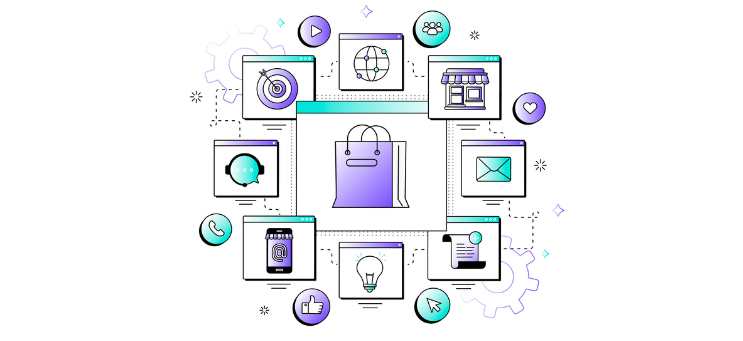
Quick answer: Store software is the system that organizes inventory, sales, tax notes, finance and retail customers in one place. A ready system meets the basics; a custom-made one adapts to the flow of your store and integrates physical shop, e-commerce and marketplaces. To choose, evaluate your needs, multichannel integration, ease of use, support and whether the system grows with business.
Technology plays a strategic role in retail, and adopt digital tools It helps keep you competitive.
Large retailers have already understood that the use of intelligent systems facilitates customer journey and optimizes internal management. From inventory control and integration with e-commerce to customisation in data service and analysis, well developed software can transform the way a business operates.
What is Software for Shops?
It's a system developed to measure to meet the specific needs of a business. Unlike ready-made software, which has standardized features, a customised system can be fully adapted to store operation, ensuring more efficiency and process automation.
The main difference between Ready software and a custom-made is in flexibility and level of customisation. While generic solutions offer fixed features that may not meet all demands, personalised software allows you to integrate different sectors of the store, optimise inventory control, customize customer service and improve decision-making based on strategic data.
This means that the store does not need to adapt to the system, but the system fits the store, bringing more efficiency and results.
Consider an example of one of our customers. Although it is not an e-commerce, we integrate a system where employees can access the software directly on the company's website:

This can help optimise your store's resources by helping in managing specific areas and keeping stock management, teams, customers and much more in one place.
Advantages of Software for Stores
Invest in a custom system developed by a software house brings numerous benefits to the management and operation of retail. Unlike generic solutions, having tailored technologies allows automation of retail processes, optimizing from inventory control to customer experience. Check out some of the main advantages of this technology:
Stock Management in Trade and commerce
Have one efficient stock control it is essential to prevent ruptures or excesses that generate losses. With custom software, the store can track inputs and outputs of products in real time, set alerts for replacement and even predict demands based on sales history.
Integration of Multichannel Sales
Today, customers buy on various channels, whether in the physical store, e-commerce, social networks or marketplaces. With the integration of multichannel sales, custom software connects all these platforms, ensuring that stock, orders and payments are synchronized.
Process Optimization in Retail
Each store has a specific workflow, and custom software allows automate manual tasks, such as issuing tax notes, supplier control and sales analysis. It is an excellent way to minimize errors, save time and improve team productivity, ensuring faster and more organized customer service.
Intelligent Reports for Strategic Decisions
Making data-based decisions is essential for retail success. A custom system generates detailed reports on sales, stock, customer profile and store performance, helping managers identify opportunities for improvement and adjust strategies to increase profitability.
Customization to Meet Specific Needs
Unlike ready systems, which have standardized functions, a custom software is developed according to the reality of the store. . This means that it may have specific modules for customer loyalty, promotion automation, detailed financial control or any other essential functionality for the business.
Why invest in custom software for stores?
The benefits of custom software go beyond automation: it adapts to the reality of retail and accompanies company growth. Check out 10 reasons to consider this technology:
- Automated stock management to prevent losses and product shortages;
- Multi-channel sales synchronization, connecting physical store, online and marketplaces;
- More agile internal processes, reducing errors and rework;
- Increased team productivity with repetitive tasks automation;
- more assertive decision-making based on strategic reports;
- Improvement in customer experience, offering more efficient service;
- Personalization of the system to meet specific business needs;
- reduction of operational costs by eliminating inefficient manual processes;
- Easy to adapt to new retail trends, such as digital payments and omnichannel sales;
- Safety and reliability, ensuring data protection and commercial transactions.
When choosing a custom software, the store not only automates processes but also creates a concrete basis to grow efficiently and keep track of market changes.
Essential Features for a Store
In order for trade to function efficiently and scalable, it is essential to rely on a management system for stores that centralize operations, automate tasks and improve customer experience.
From financial control to sales report analysis, well structured software can improving business management. . See some of the main features that can transform your store management:
Automated Financial Management
One of the biggest challenges in retail is keeping finances organized. With a store management system, it is possible to control cash flow, bills to pay and receive, bank reconciliation and automatic issue of tax notes.
Sales Control and Banknote Emission
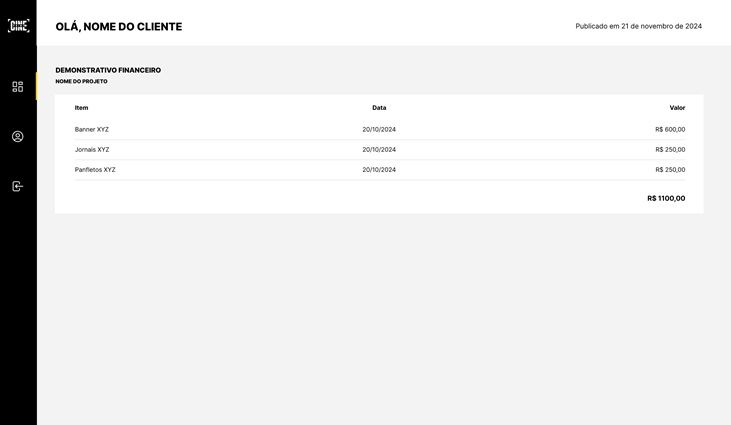
Efficient software allows all sales to be recorded in real time, ensuring that the shopkeeper has precise control over billing, inventory and performance of each product.
Here's an example of integration we did in a shop of our client:
Performance and Business Intelligence Reports
Making strategic decisions in retail requires reliable data and detailed analysis. A complete system offers reports on best-selling products, customer behavior, seasonality and market trends. With this information, the manager can adjust prices, plan promotions and predict future demands.
Customer Management and Loyalty Programs
Creating a lasting relationship with customers is essential for any store. With an integrated management tool, you can register customers, store purchase history and offer custom loyalty programs. Thus, the store can create targeted promotions, send personalised offers and increase the repo rate.
Smart Stock and Reset Control
The lack of good stock control can result in exhausted products or overruns of stranded goods. With an integrated system, the store manages to keep track of product input and output, set replacement alerts and predict demands based on sales history.
Software Integration for Stores
The integration of systems for stores allows different management tools work together, ensuring a continuous and accurate flow of information. This connection facilitates control of operations and improves customer purchase experience.
With well-structured software, it is possible to unite ERP (Enterprise Resource Planning), CRM (Customer Relationship Management) and e-commerce platforms, creating a complete digital ecosystem.
One ERP software for stores centralize administrative, financial and operational processes, reducing errors and optimizing team time. On the other hand, a CRM allows better customer relationship monitoring, personalizing offers and improving retention.
When these solutions are Integrated e-commerce platform, the shopkeeper manages orders, synchronizes stocks and gathers all sales, online and physical, into a single system.
Tips for Choosing the Best Software
Choosing the right software makes all the difference in efficiency and growth of your business. Before hiring a solution, it is important to consider:
- their operational needs;
- the size of the store;
- the essential features;
- support offered.
A well-chosen store software adapts to the reality of your business, optimizing processes and improving customer experience. Check out some essential tips to make the best decision:
1. Evaluate Your Shop’s Needs
Each business has specific demands, and good software should meet these particularities. Before you choose a solution, list the main challenges of its operation (as stock control, e-commerce integration or issuing tax notes) and seek a system that efficiently solves these points.
2. Choose Multichannel Integration Software
If your store sells on more than one channel (physical shop, online or marketplaces), it is essential that the software integrate all platforms. . This allows unified inventory, sales and customers management, ensuring real-time synchronization and a more fluid purchasing experience.
3. Prioritise Ease of Use and Technical Support
An efficient system needs to be intuitive and easy to operate so your team can use it without difficulty. Furthermore, having quality technical support is essential to solve problems quickly and ensure that your operation never stops due to system failures.
4. Check System Scaleability
Your business may grow and need new features in the future. Therefore, choose scalable software that allows add new features and integrate tools as needed, avoid constant system exchanges and ensure greater long-term flexibility.
5. Consider Software Under Measure for Retail
Although there are ready-to-market software, a solution developed specifically for your business brings more efficiency, personalisation and security. . A custom-made retail software allows you to adapt the features according to your workflow, optimizing each step of the operation and improving the performance of the store.
Is it worth investing in software for stores?
Investing in custom software is an essential step for modernize your business management and ensure efficient stock control, sales and customers. Choosing the right solution enables process automation, multichannel integration and strategic reports, facilitating decision-making and boosting your store's growth.
You want a system designed for your shop routine? Meet the custom-made software for retail WebSyd and ask for a quote.
FREQUENTLY ASKED QUESTIONS
What is custom software for stores?
It is a system developed to suit the specific needs of a store. Unlike generic software, it allows for greater flexibility, integration between sectors and functionalities adjusted to the real flow of the business.
What are the main benefits in adopting custom store software?
Among the main benefits are: real-time stock control, integration with physical and online sales, automation of administrative tasks, strategic reports and improvement in customer experience.
How can a store software help sales?
By integrating different sales channels (physical shop, e-commerce, marketplaces), the system ensures that stock is synchronized, facilitates service and allows more assertive campaigns based on customer behavior.
What should I consider when choosing custom software?
It is important to analyze the needs of your business, seek solutions with reliable technical support, check the scalability of the system and ensure that it is easy to use by the team. A good software adapts to the operation and not the other way around.

Caio Nogueira is a SEO, GEO, link building and Digital PR expert and co-founder of WebSyd, website creation agency and SEO consulting founded in 2016. It acts with organic search strategies, digital authority construction and brand optimisation for search engines and artificial intelligence platforms. Throughout his trajectory, he participated in more than 1000 projects involving SEO, website development, content marketing and authority acquisition through backlinks and Digital PR. At WebSyd, it participates in the planning of strategies to increase organic visibility, lead generation and presence of companies on Google and AI-based search engines. As an author, it publishes content on SEO, GEO, website creation, link building and digital authority, sharing analyses, strategies and practical experiences related to organic growth of companies. Its contents and contributions have also been published in companies and vehicles of technology and marketing such as Wix, HostGator, Duda, Neil Patel, Locaweb and E-Commerce Brasil.
View all posts


 Estimate the cost

